

Inkipedia
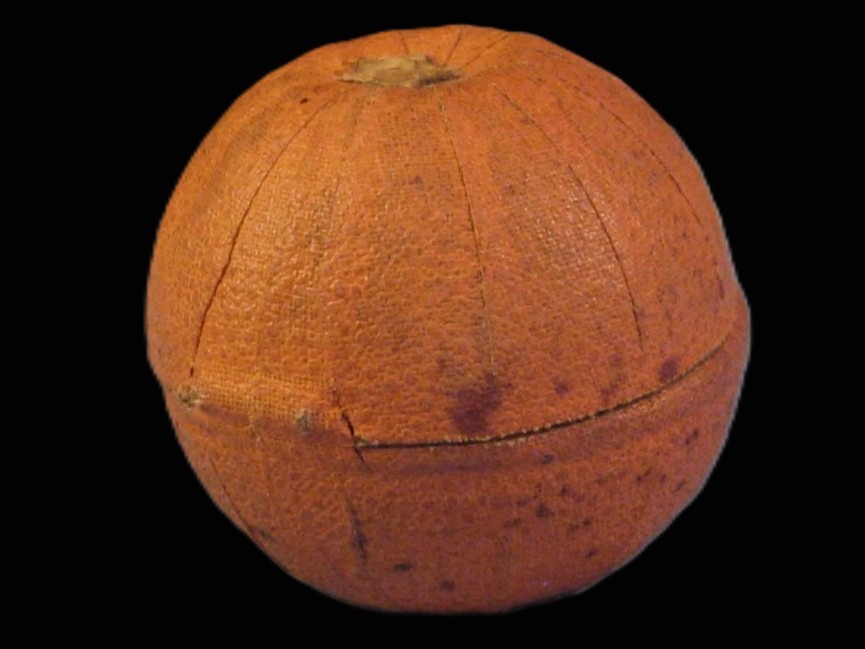
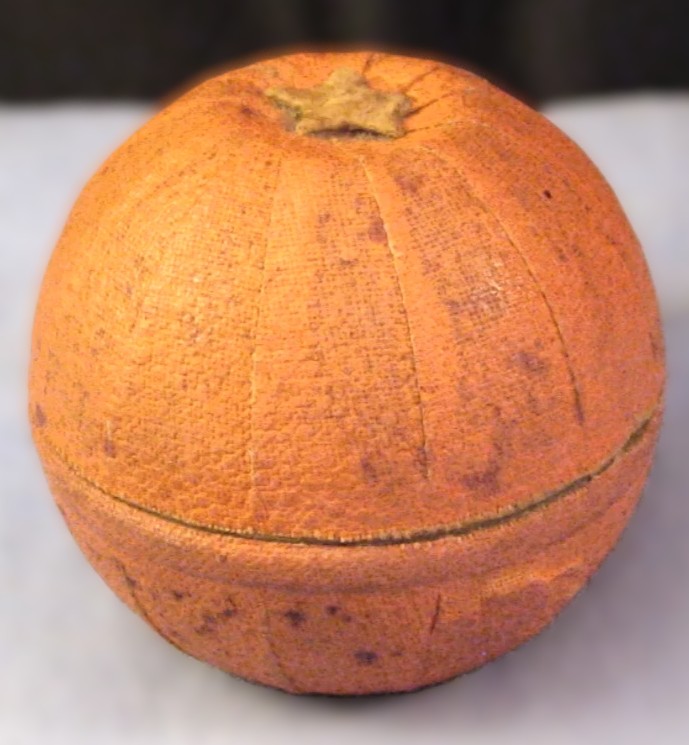
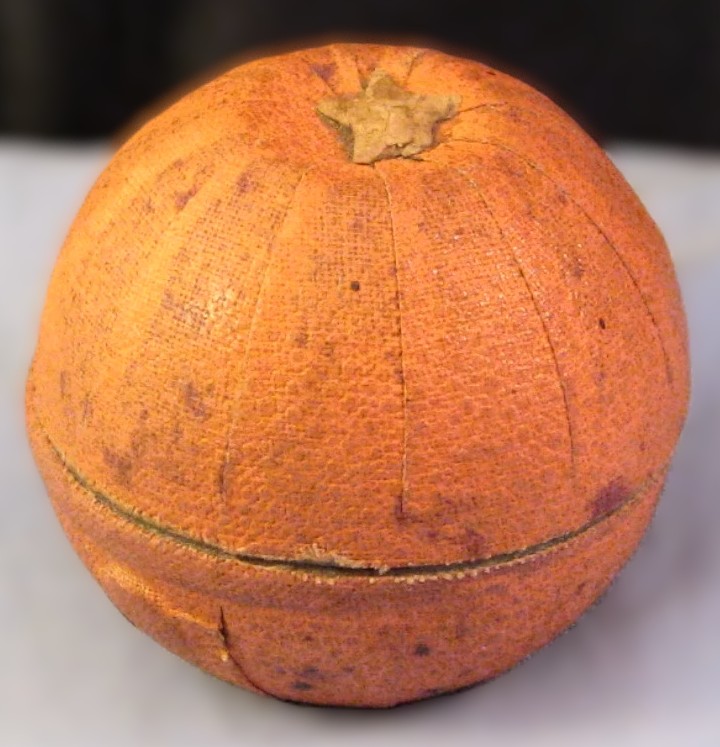
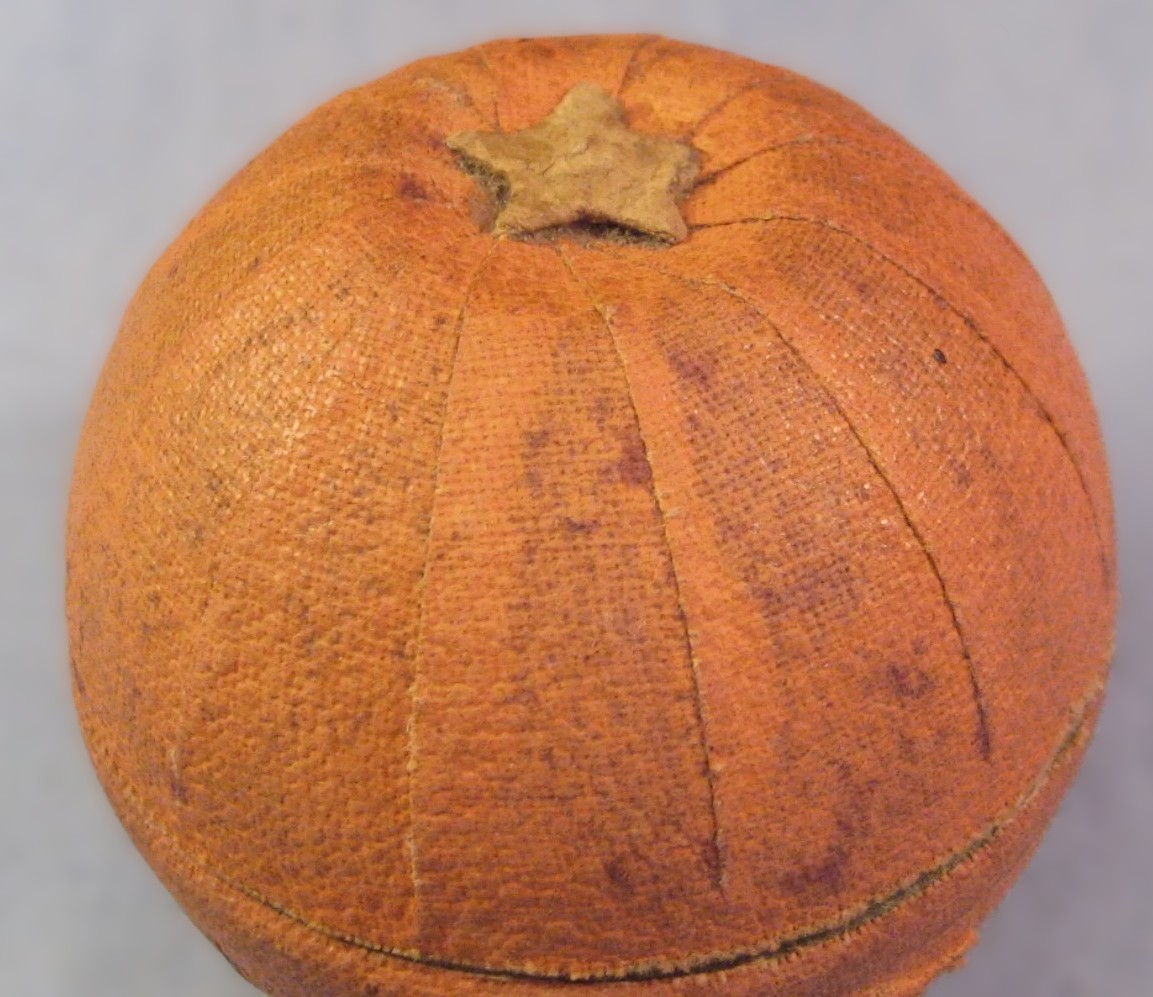
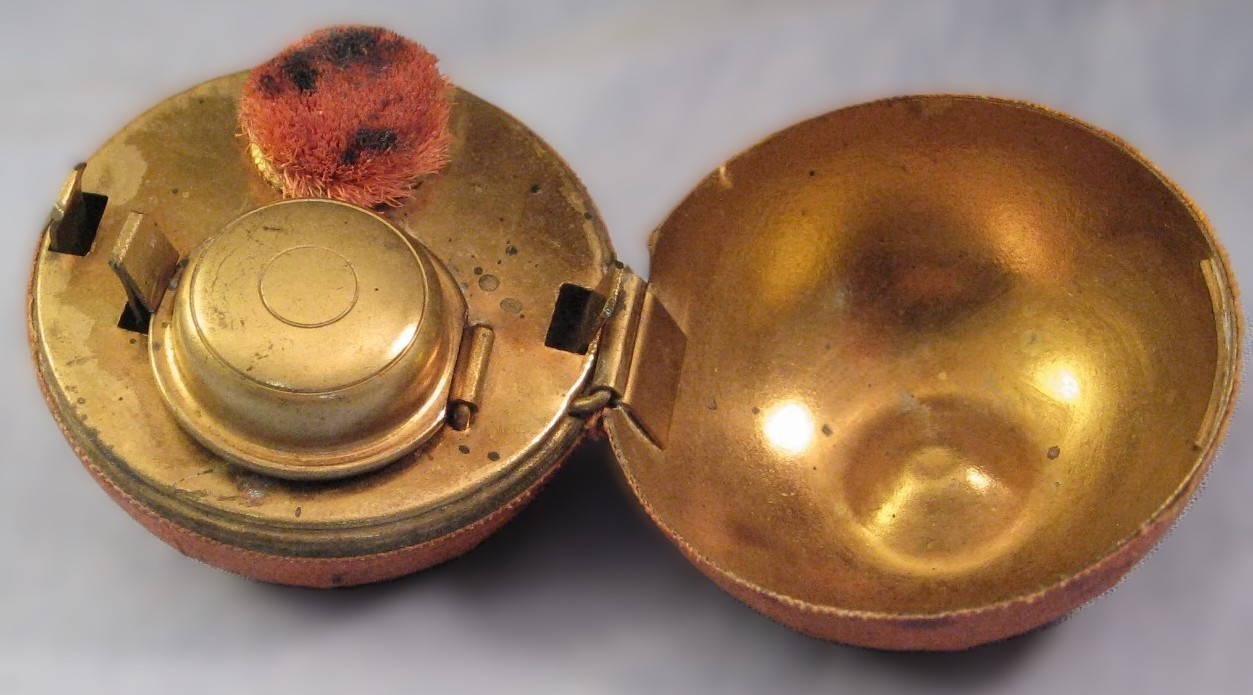
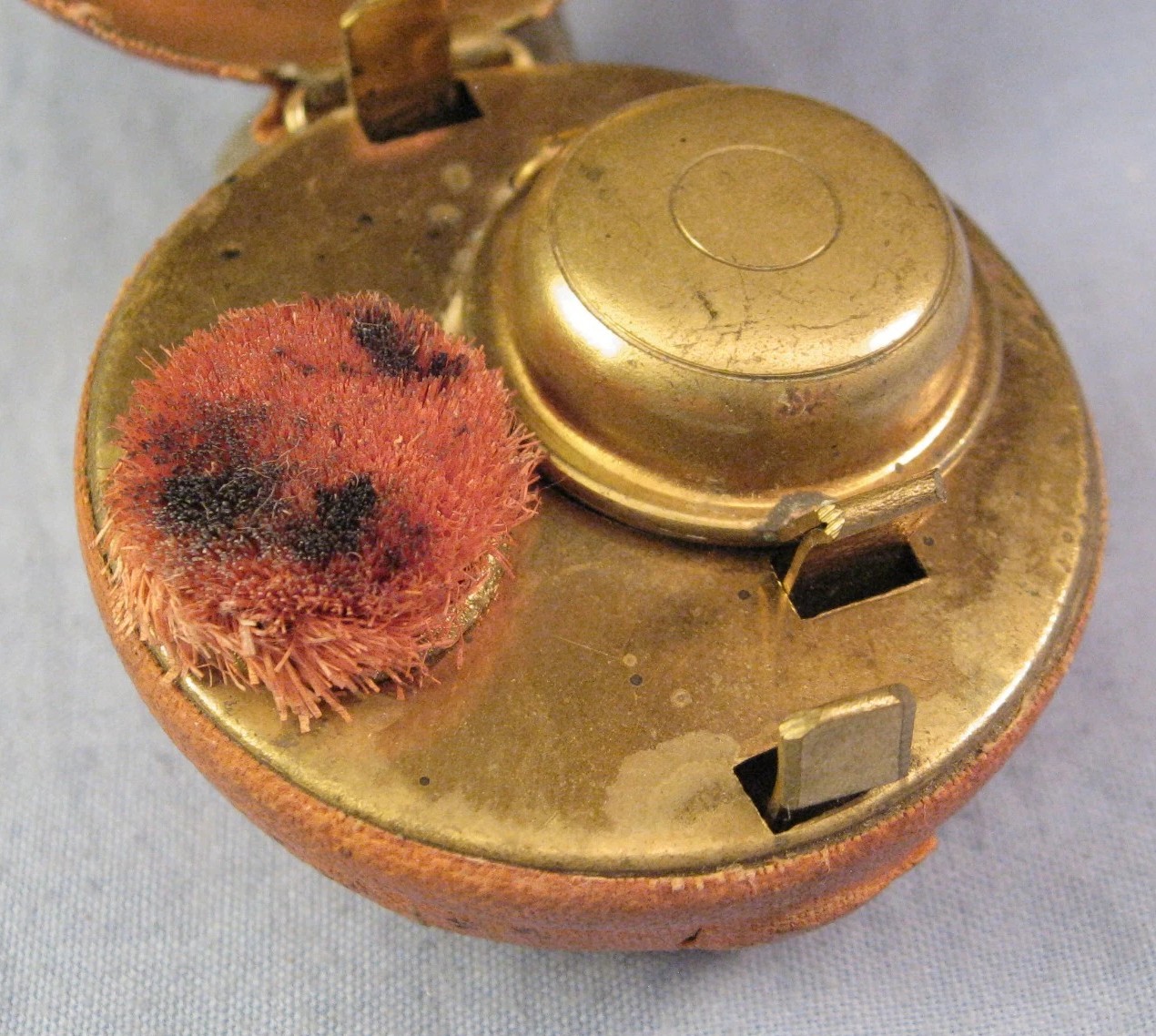
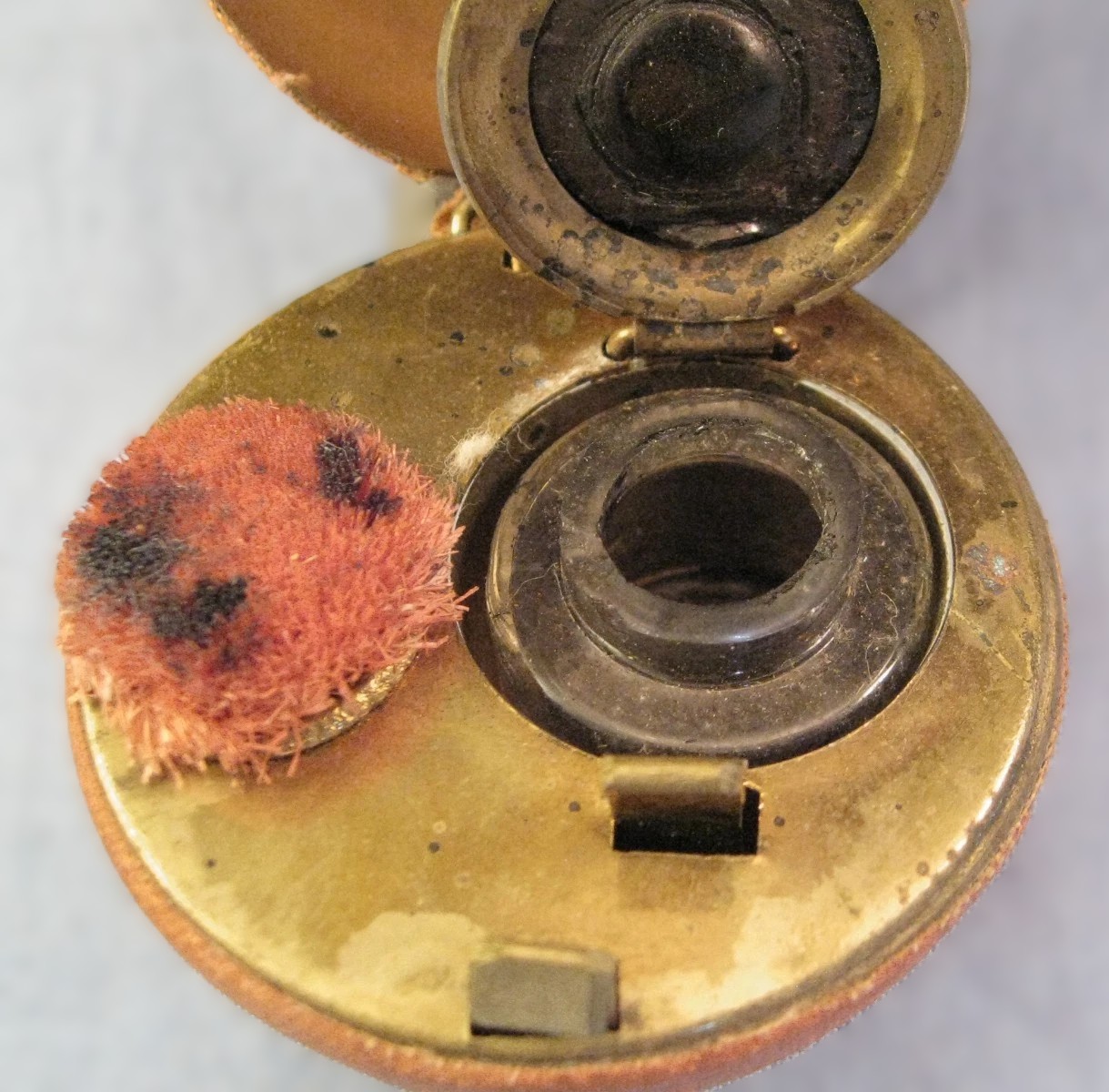
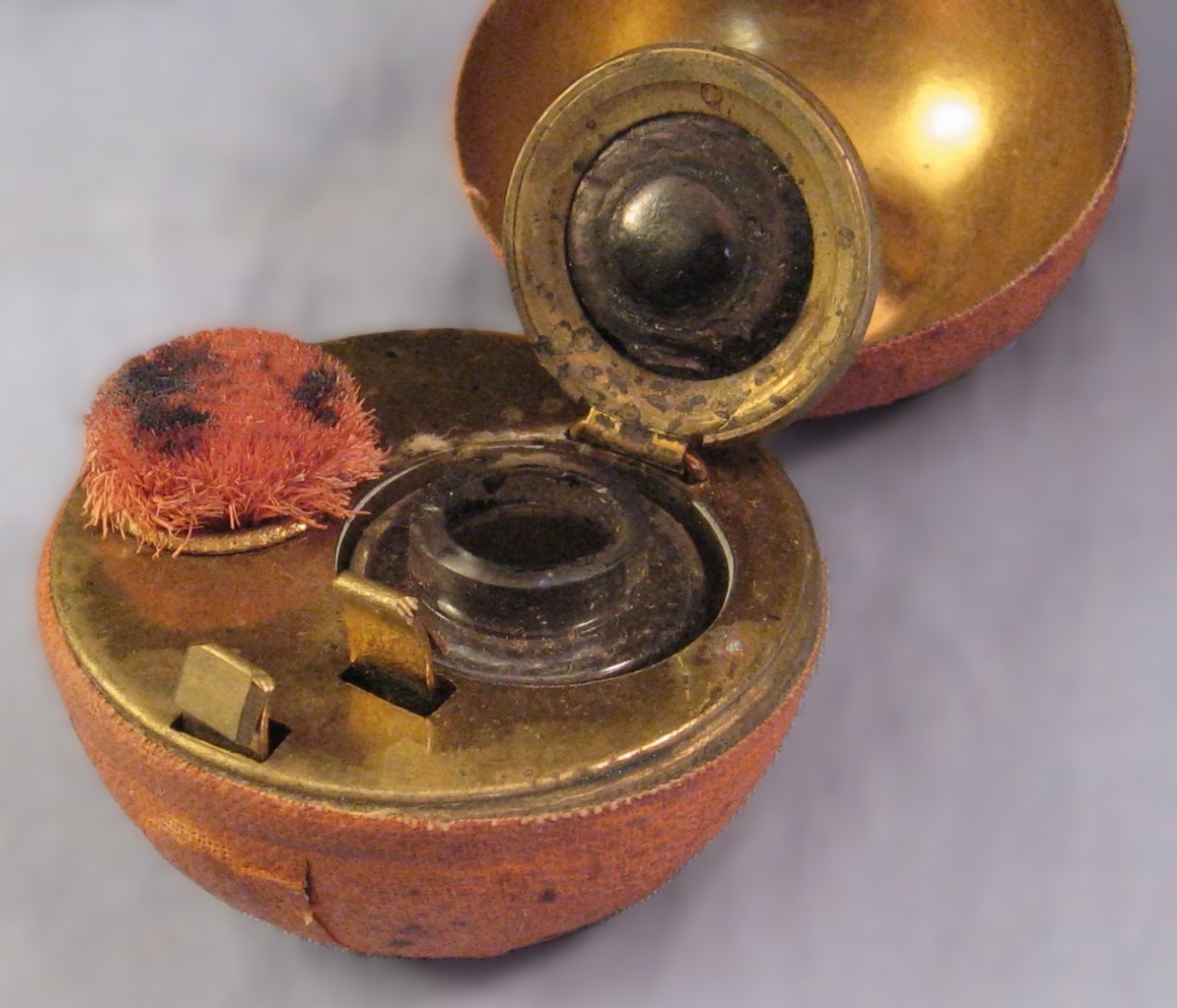
Figural Orange Traveling Inkwell & Pen Wipe
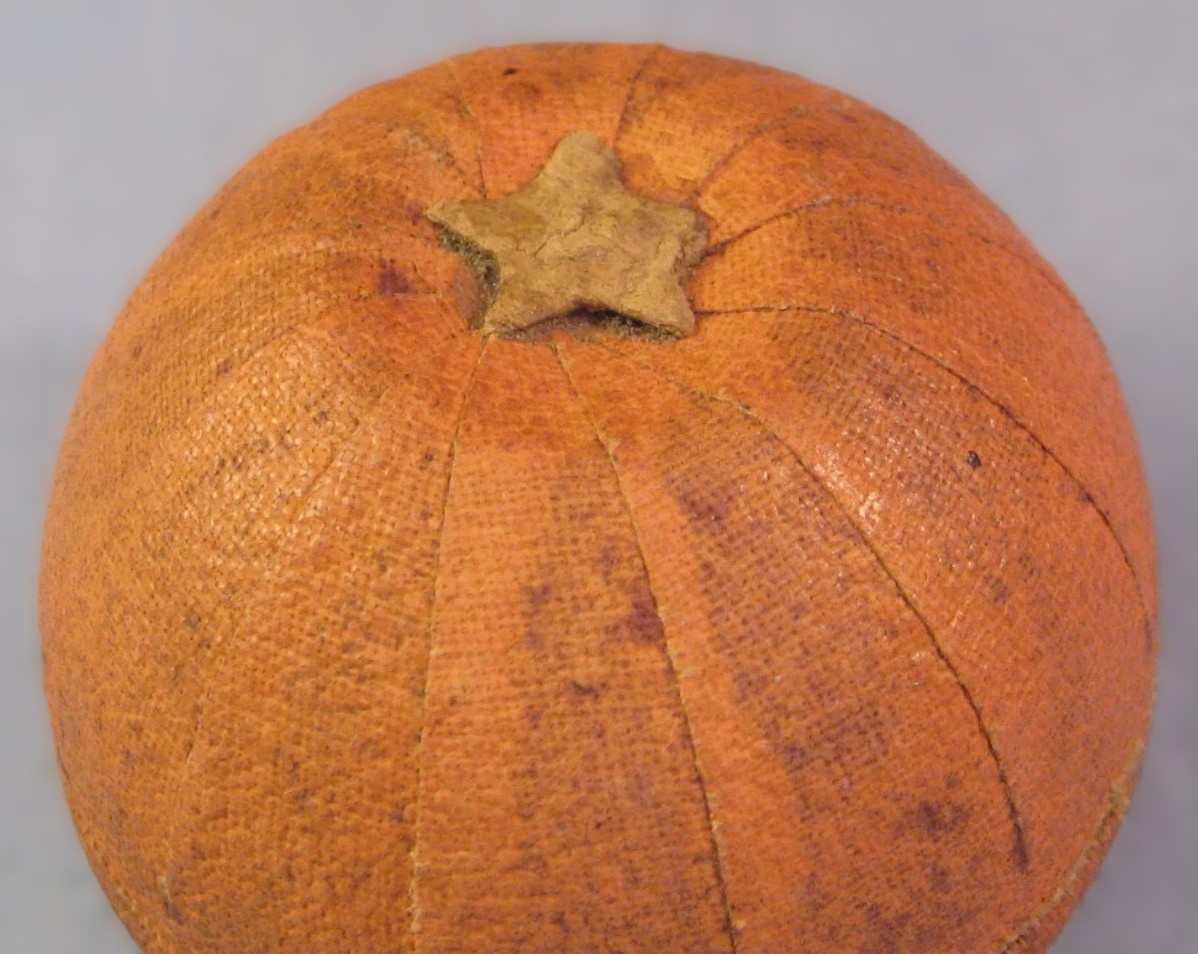
This late 19th-century novelty traveling inkwell and pen-wiper combination is a rare Victorian desktop accessory fashioned in the likeness of a ripe orange.
Physical & Structural Description
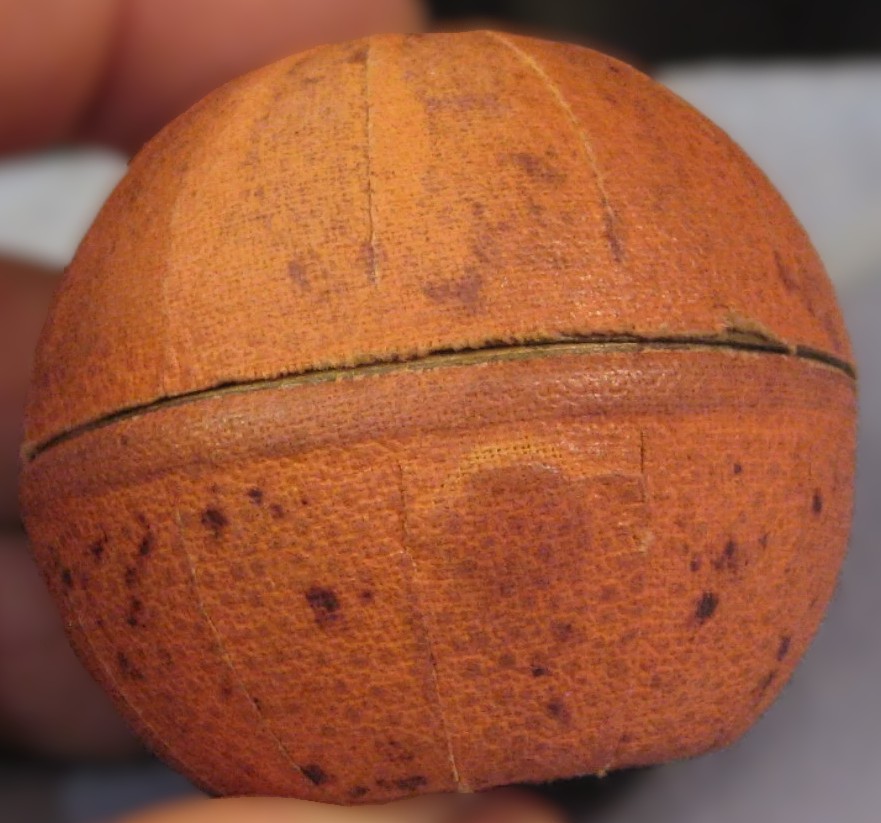
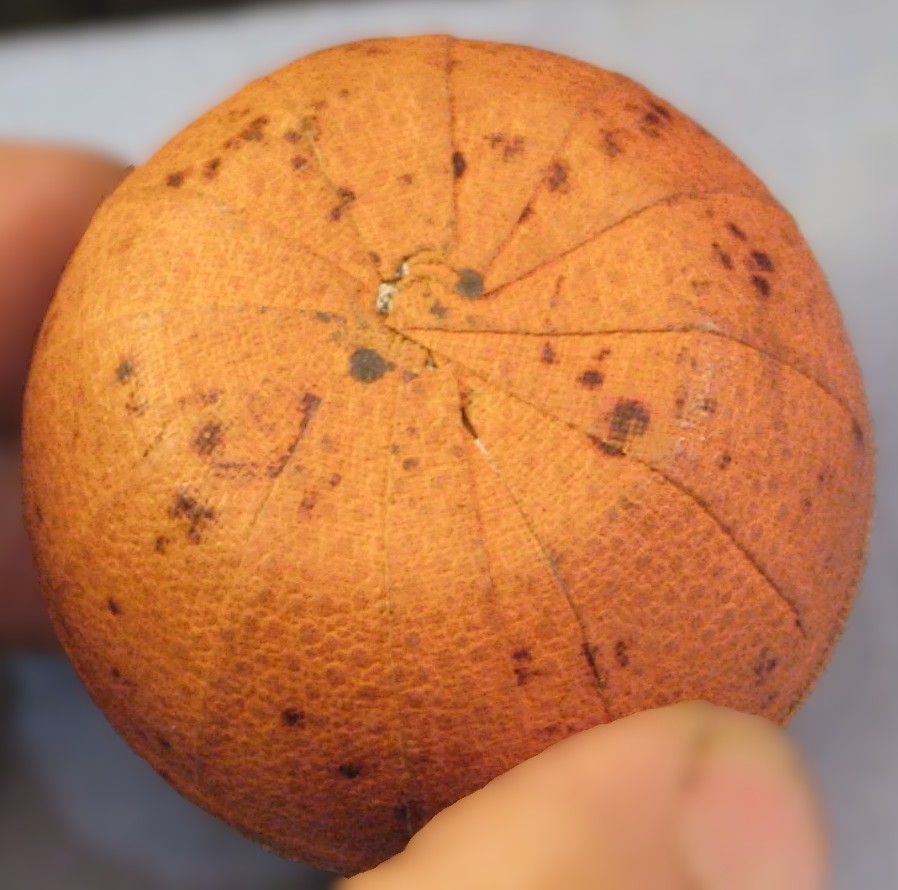
- Exterior: Constructed with a gilded brass internal casing covered in fine orange-dyed leather, textured to mimic citrus peel and finished with stitched segment lines. The top is fitted with a star-shaped leather calyx simulating the stem attachment point.
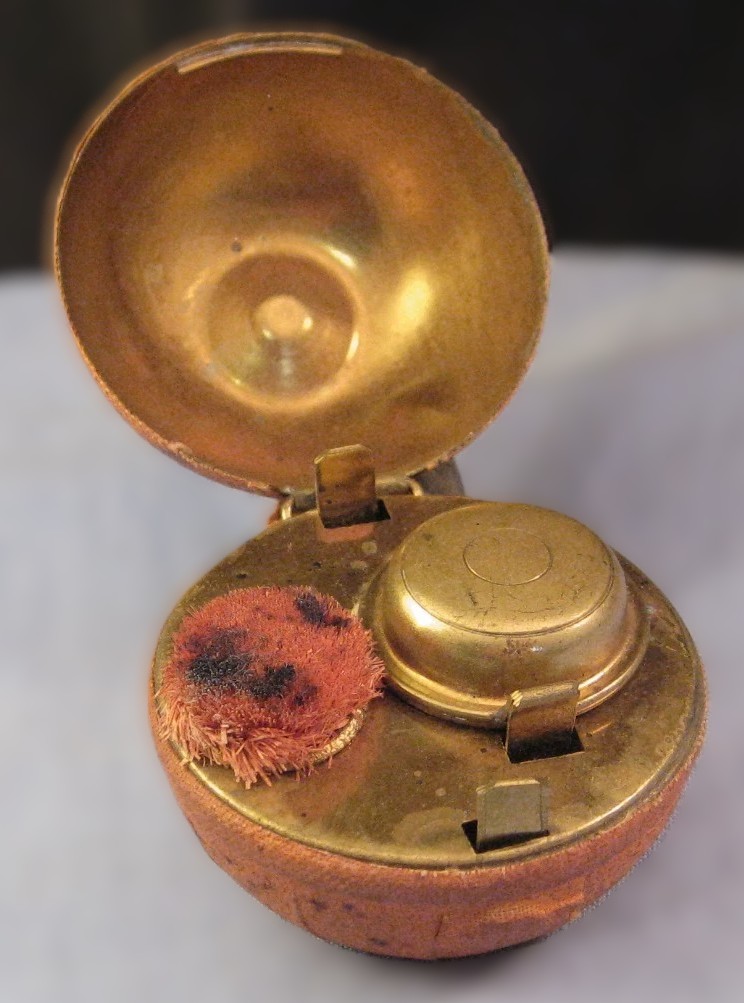
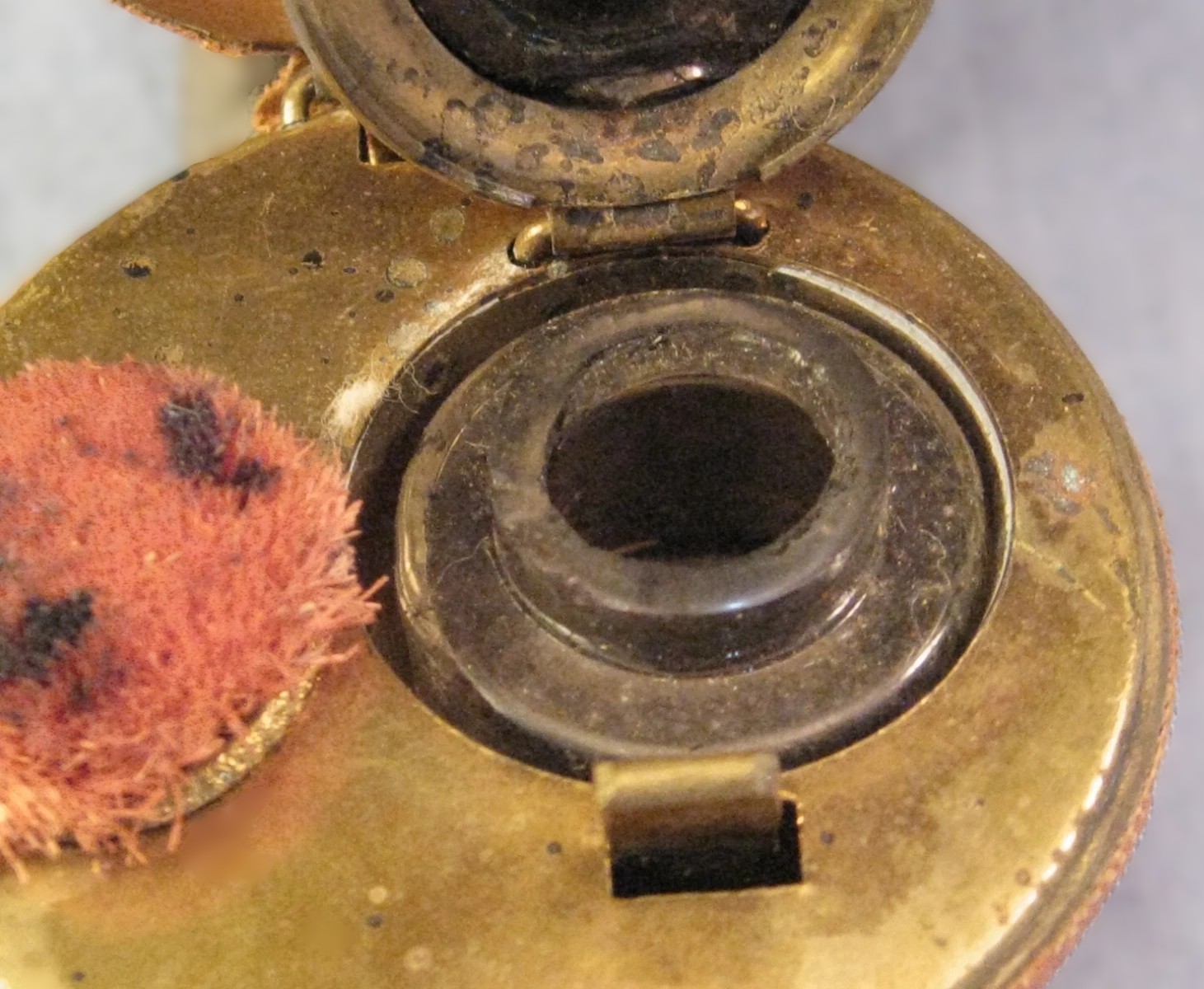
- Interior Deck: Opening the hinged top reveals a gilded brass deck containing two distinct fittings:
- Pen Nib Brush (Pen Wiper): A recessed circular well holding a plush red bristle brush used to clean ink and paper debris from dip pen nibs.
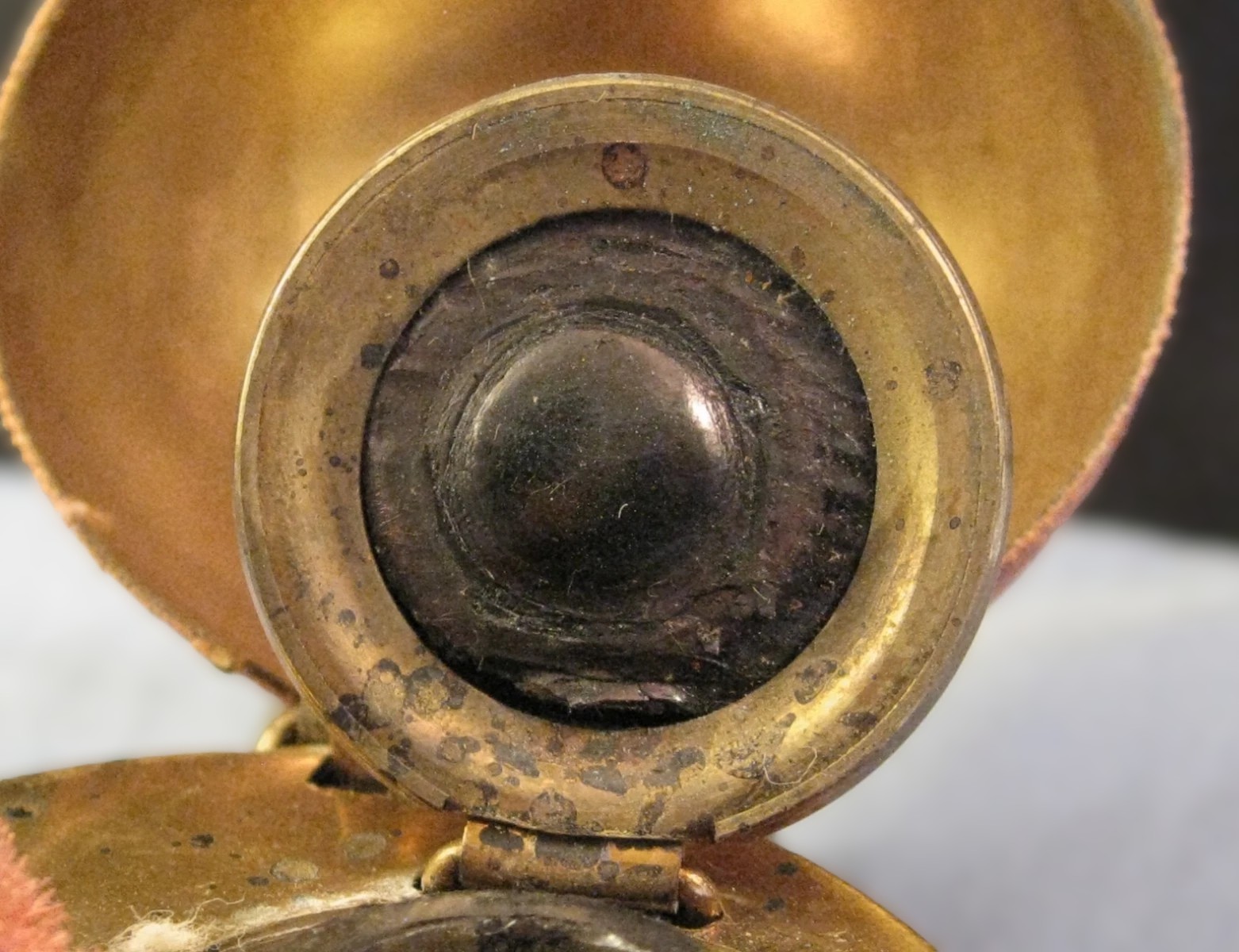
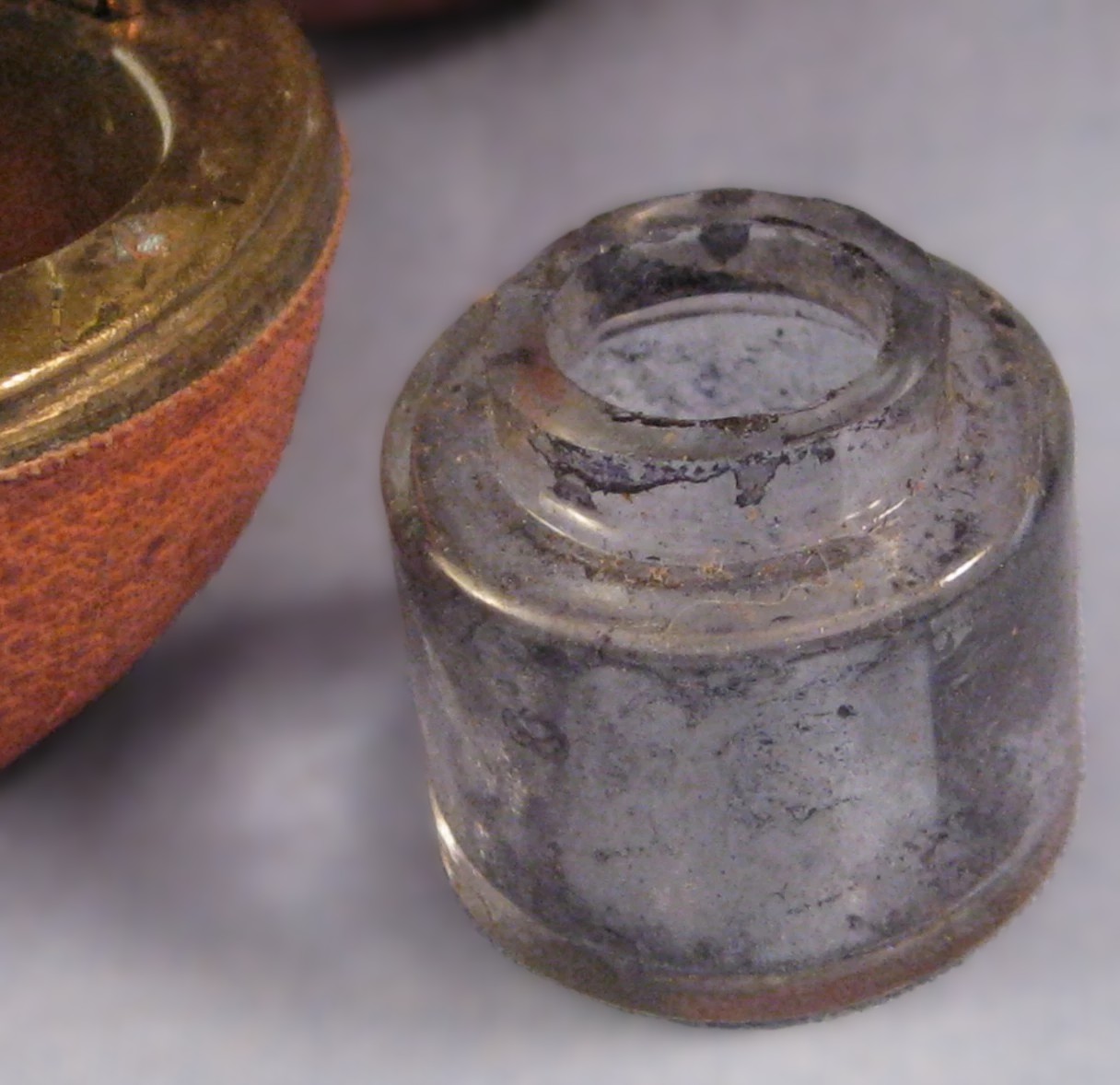
- Ink Vessel: A central well housing a clear cylindrical glass ink bottle sealed by an inner hinged brass cap with an integrated sprung leather stopper.
Date of Manufacture
- Period: Late 1800s (c. 1880–1890s).
- Context: The late Victorian era saw an explosion of novelty travel accessories driven by expanding railway travel and personal correspondence. Figural leather-covered brass items—shaped like fruits, trunks, violins, horseshoe cases, or footballs—were prized as both functional travel items and conversational desk novelties.
Functional Operation
- Opening the Main Case: A flush-mounted catch mechanism is concealed along the rim seam. Depressing the push-button releases the internal tension catch, causing the spring-hinged upper half of the orange to snap open.
- Opening the Ink Chamber: The smaller brass cap over the central glass reservoir features a spring-loaded hinge. Opening this cap lifts the internal sprung leather stopper off the rim of the glass bottle. When the cap is closed, the spring applies down-force on the leather pad, forming a watertight seal that prevents ink leakage during transit.
Origin & Manufacturer
- Country of Origin: England (London) or France (Paris).
- Manufacturer Attribution: Unmarked on the metal or leather, which is standard for leather-wrapped novelty brassware of this period. Production of leather-clad brass novelty inkstands with spring-loaded seals was concentrated among high-end London stationers (such as Edwards & Jones or Thomas De La Rue & Co.) and Parisian articles de Paris novelty workshops, who supplied retailers across Europe and North America.
Sold for $300 in July 2026
Content disclaimer. The information posted is the owner’s best knowledge and may not have been vetted by the SOIC. We welcome comments, corrections, and additions, working to make our website information comprehensive and accurate.
Join the Society of Inkwell Collectors (SOIC) – it’s free!
Founded in 1981 as a non-profit organization,
we are documenting inkwells (and accessories).
We’re here to help and inform!