

Inkipedia


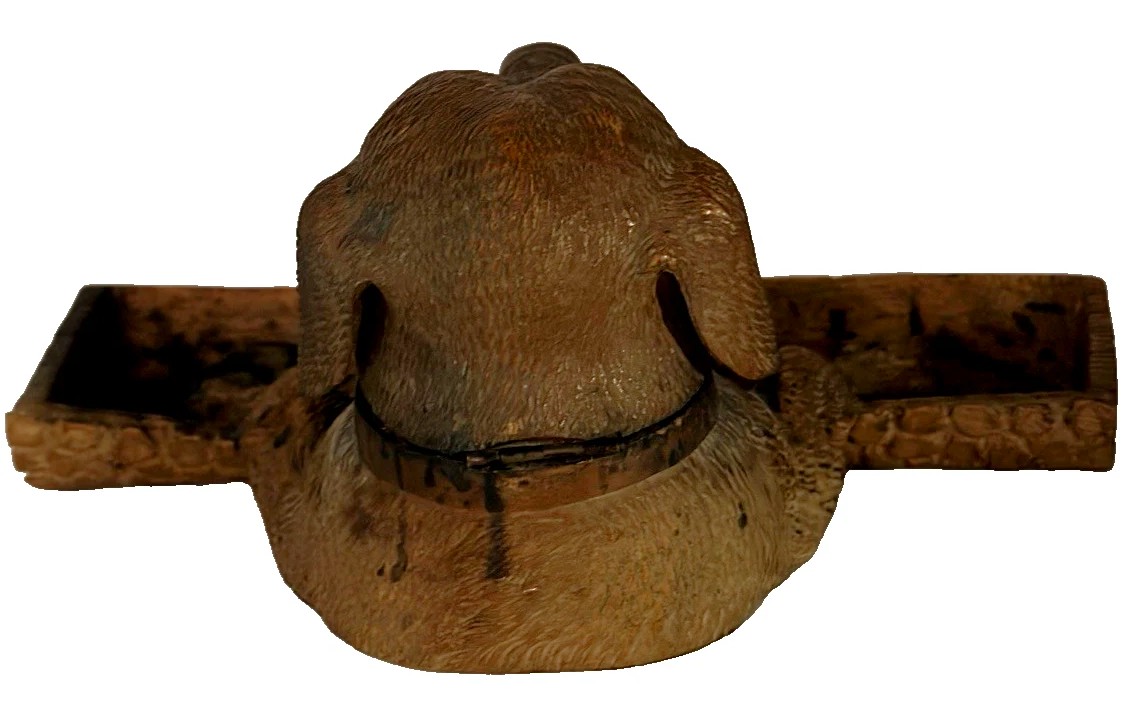
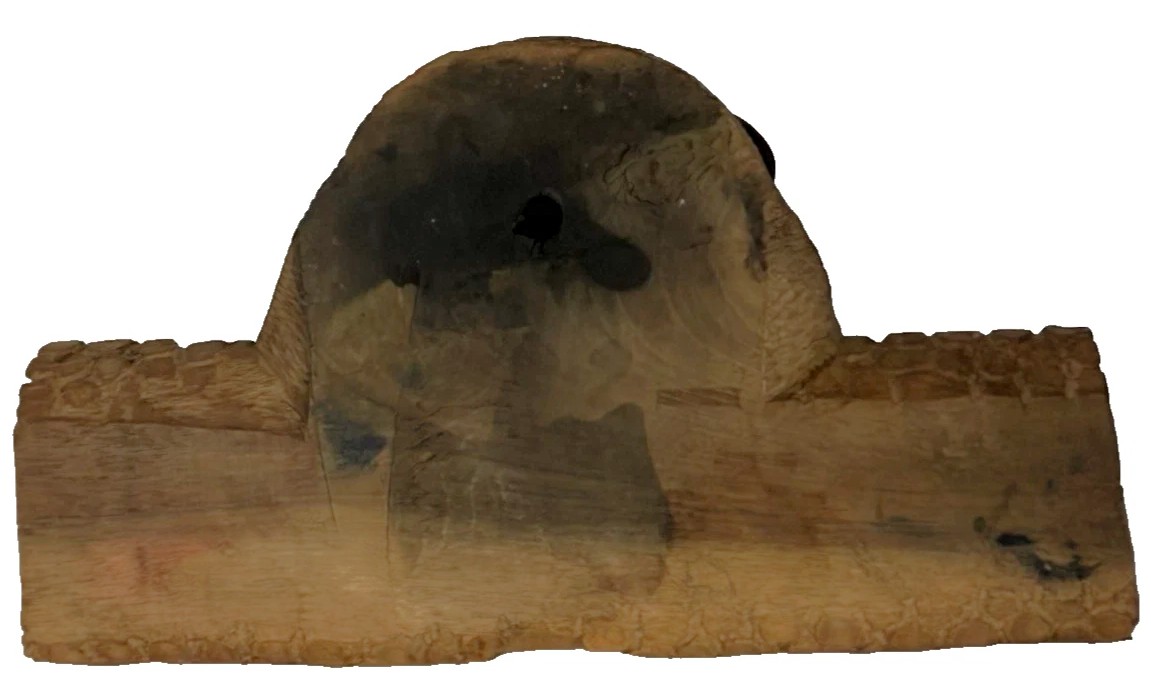
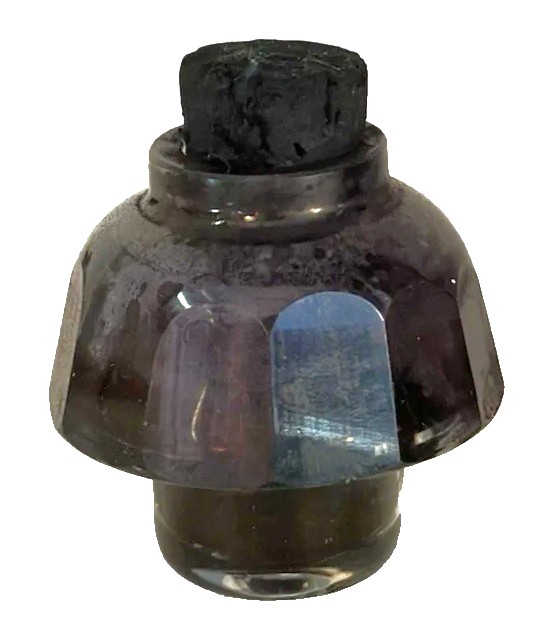
Black Forest Dog’s Head Inkstand
| Categories | Figural - Animals & Living Creatures |
| Type | dog |
| Material | Wood |
| Markings | Unmarked |
| Manufacturer | Black Forest |
| Origin | Switzerland |
| Date or Era | circa 1880 |
| Measuring | 10 ¼” across; 4 ½” high |
Description
- The Subject: The stand features a realistically modeled dog’s head, likely a hound or retriever. The carving captures fine details such as textured fur, a wet-looking snout, and defined jowls. A collar is wrapped around the dog’s neck.
- Glass Eyes: The use of inset glass eyes is a hallmark of high-quality Black Forest carving, designed to give the animal a lifelike, expressive gaze.
- The Hinge & Inkwell: The brass hinge at the neck allows the head to tilt back, revealing a hollowed interior designed to hold a removable glass inkwell.
- The Base: The dog’s paws are “draped” over a base carved in the form of a hollowed log, which functions as a tray for holding dip pens or other small desk accessories.
Historical Origin: The Brienz Industry
Despite the name, most “Black Forest” carvings did not originate in Germany’s Black Forest. Instead, they were primarily crafted by skilled artisans in the mountain town of Brienz, Switzerland.
- Souvenir Trade: This industry began in the early 1800s to create income following a local famine. By the late 19th century, it was a major luxury industry, selling “Alpine” themed items to wealthy tourists on the Grand Tour.
- Royal Popularity: The style became internationally famous after Queen Victoria purchased several pieces to furnish her “Swiss Chalet” at Osborne House in 1868.
Materials and Craftsmanship
- The Wood: Most of these pieces were carved from Linden wood (also called lime wood) or Walnut. Linden was favored for its soft, uniform grain that allowed for intricate details like individual hairs or the texture of a wooden log.
Estimated Age
- Circa 1870–1900: This period represents the “Golden Age” of Black Forest production. The combination of realistic animalier sculpture, professional brass hinges, and functional desk integration is quintessential to the Late Victorian era.
Sold for $370 in December 2025
Content disclaimer. The information posted is the owner’s best knowledge and may not have been vetted by the SOIC. We welcome comments, corrections, and additions, working to make our website information comprehensive and accurate.
Join the Society of Inkwell Collectors (SOIC) – it’s free!
Founded in 1981 as a non-profit organization,
we are documenting inkwells (and accessories).
We’re here to help and inform!