

Inkipedia
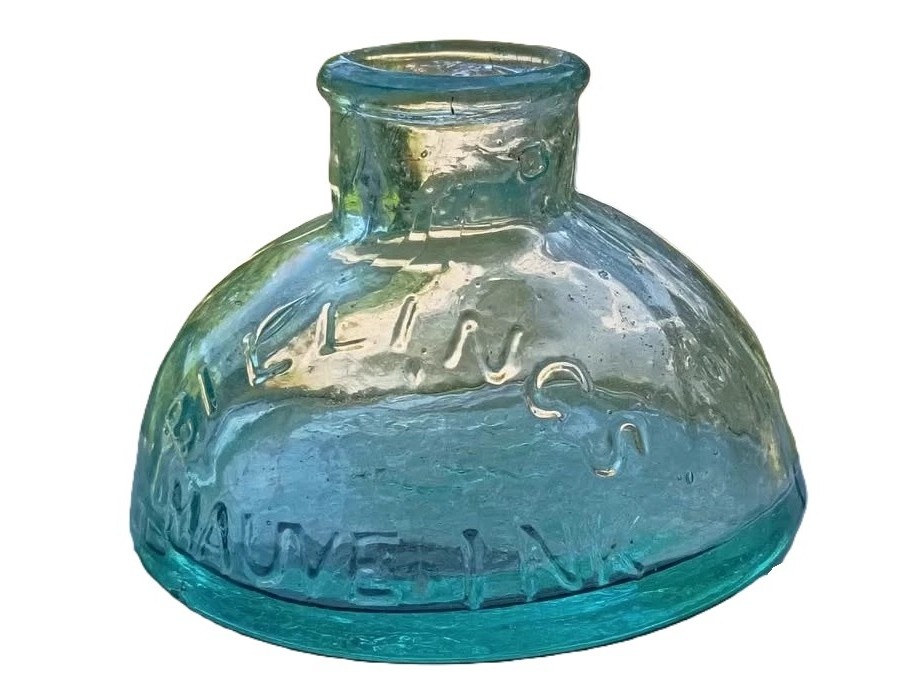
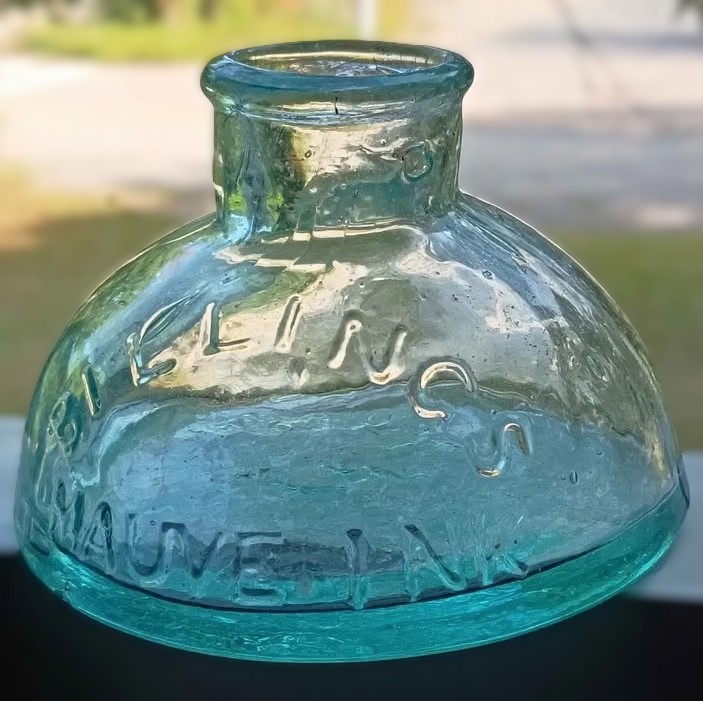
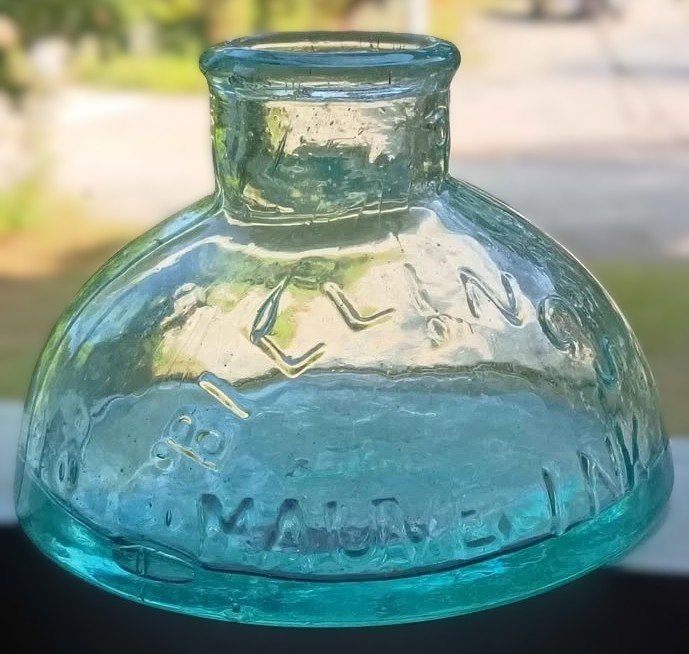
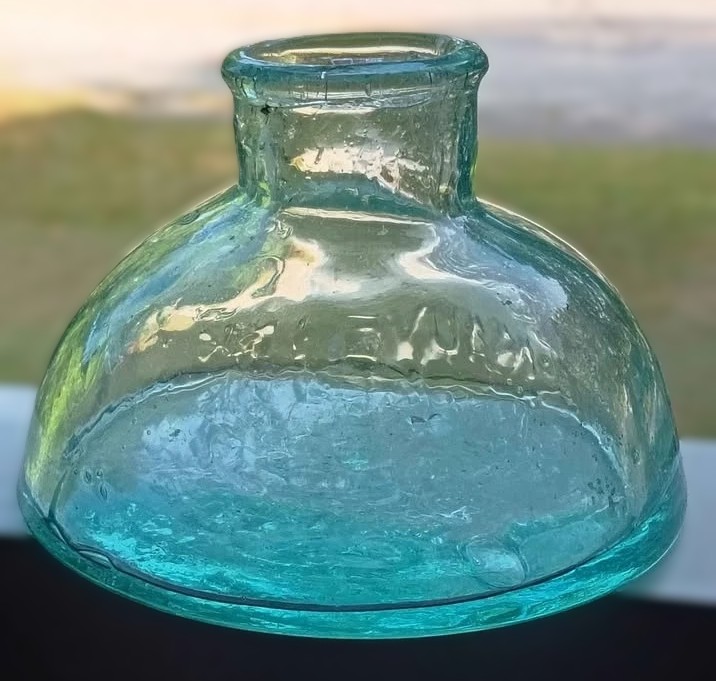
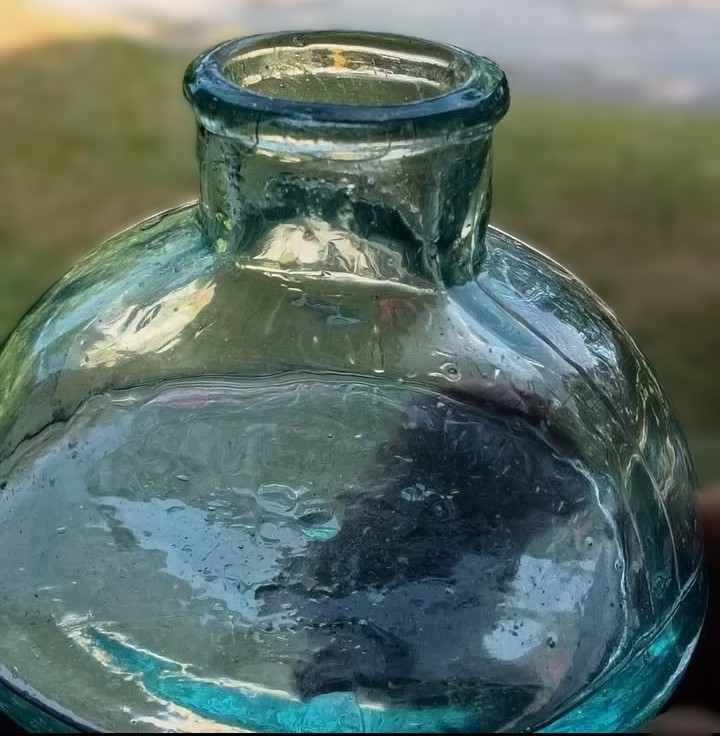
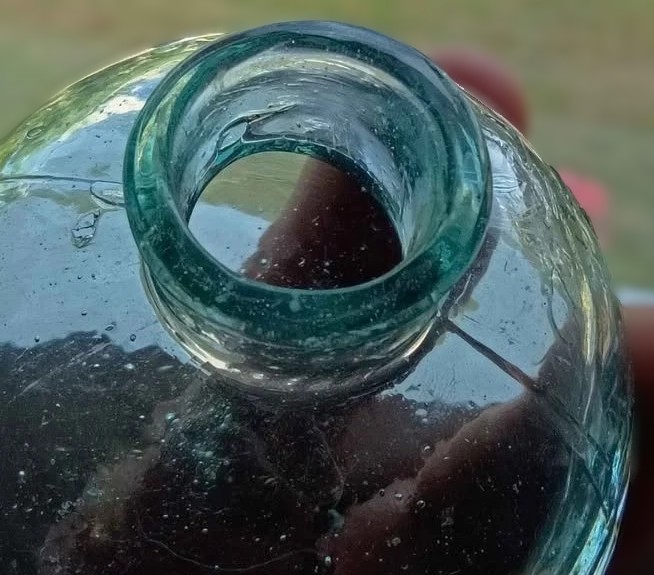
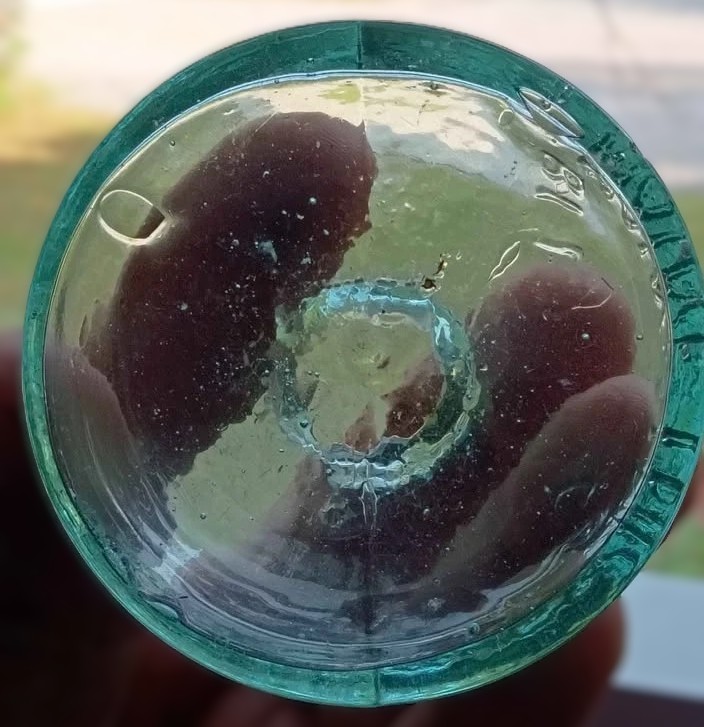
“Billings Mauve Ink” Dome Bottle
| Categories | Ink Bottle |
| Material | Glass |
| Markings | See Narrative |
| Origin | United States |
| Date or Era | circa 1870 |
Description
- Shape & Style: A classic dome or beehive shape featuring a rounded, sloping shoulder. This form was specifically designed with a low center of gravity to prevent it from tipping over easily while dipping a pen or quill.
- Embossing: Embossed across the shoulder and body with the words “BILLINGS / MAUVE INK”.
- Finish: Features a hand-applied rolled lip (or collar) at the mouth.
- Glass Texture: The glass has a sparkling “whittled” or “rippled” texture filled with tiny, trapped air bubbles and surface waviness, giving it character and depth in the light. Its color is a pale aqua/seafoam tint.
History of the Company
- Maker: Produced by the Billings Ink Co. (frequently associated with John T. Billings), which operated out of Lowell, Massachusetts.
- Specialty Formulas: During the mid-to-late 19th century, specialized ink companies often marketed unique, vibrant colored inks alongside standard black and blue-black. “Mauve” (a pale purple-violet shade popularized shortly after William Henry Perkin discovered the first synthetic aniline dye in 1856) was one of their specialty offerings.
- Advertising: Specific standalone trade cards or newspaper advertisements for Billings Mauve Ink are exceedingly rare today, as small regional ink manufacturers primarily relied on localized broadsides, merchant trade catalogs, and druggist supply sheets rather than national campaigns.
When Was This Bottle Made?
- Date Range: Circa 1866–1872. This narrow production window represents the active years of the Billings Ink Co. in Lowell, Massachusetts before the company dissolved or shifted operations.
How Was It Made?
- Manufacturing Technique: This bottle was mold-blown using a two-piece or three-piece hinge mold, which is evidenced by the vertical mold seams running up the sides and over the shoulder.
- The Base & Pontil: Looking at the base, it features a characteristic central scar or depression marking where the glassblower’s pontil rod (or snap case) held the bottle while the artisan finished shaping the neck and rolled lip by hand.
- Handmade Traits: The presence of small interior gas bubbles, uneven glass thickness, and the rippled “whittled” texture are hallmarks of 19th-century mouth-blown glass manufacturing, created when hot glass touched the cooler interior walls of an iron or wooden mold.
Sold for $72 in September 2026
Content disclaimer. The information posted is the owner’s best knowledge and may not have been vetted by the SOIC. We welcome comments, corrections, and additions, working to make our website information comprehensive and accurate.
Join the Society of Inkwell Collectors (SOIC) – it’s free!
Founded in 1981 as a non-profit organization,
we are documenting inkwells (and accessories).
We’re here to help and inform!