

The Remington Typewriter Company Cast-Iron Advertising Inkwells
| Categories | Advertising |
| Material | Cast iron |
| Markings | See Narrative |
| Origin | United States |
| Date or Era | circa 1910 |
| Measuring | 3 ¼” x 2 ⅜” x 2 ¾” high |
Overview
- Item: Cast-Iron Advertising and Office Inkwells
- Manufacturer: Remington Typewriter Company (Ilion, New York factory)
- Era / Date: Early 20th century (circa 1910s, corresponding with the prominence of models like the Remington No. 10)
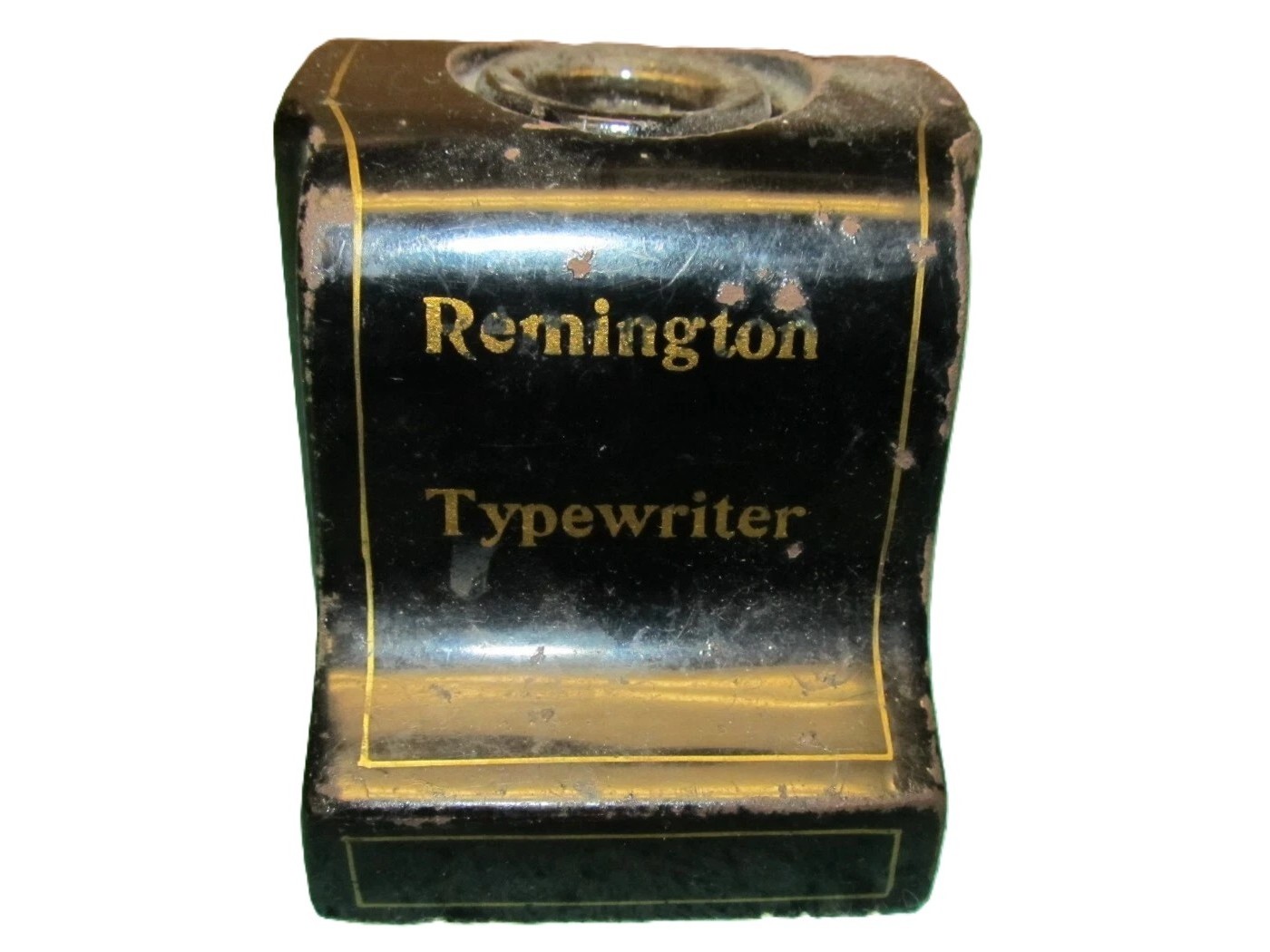
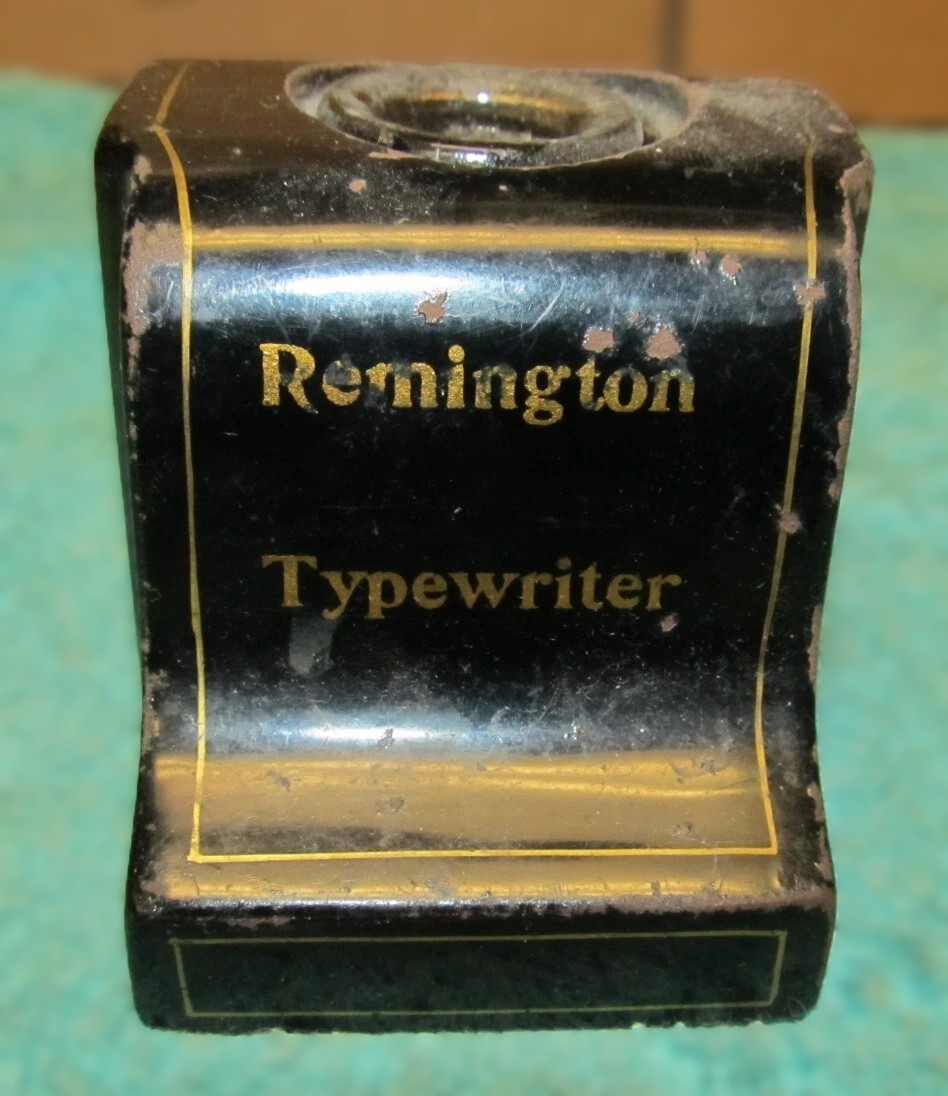
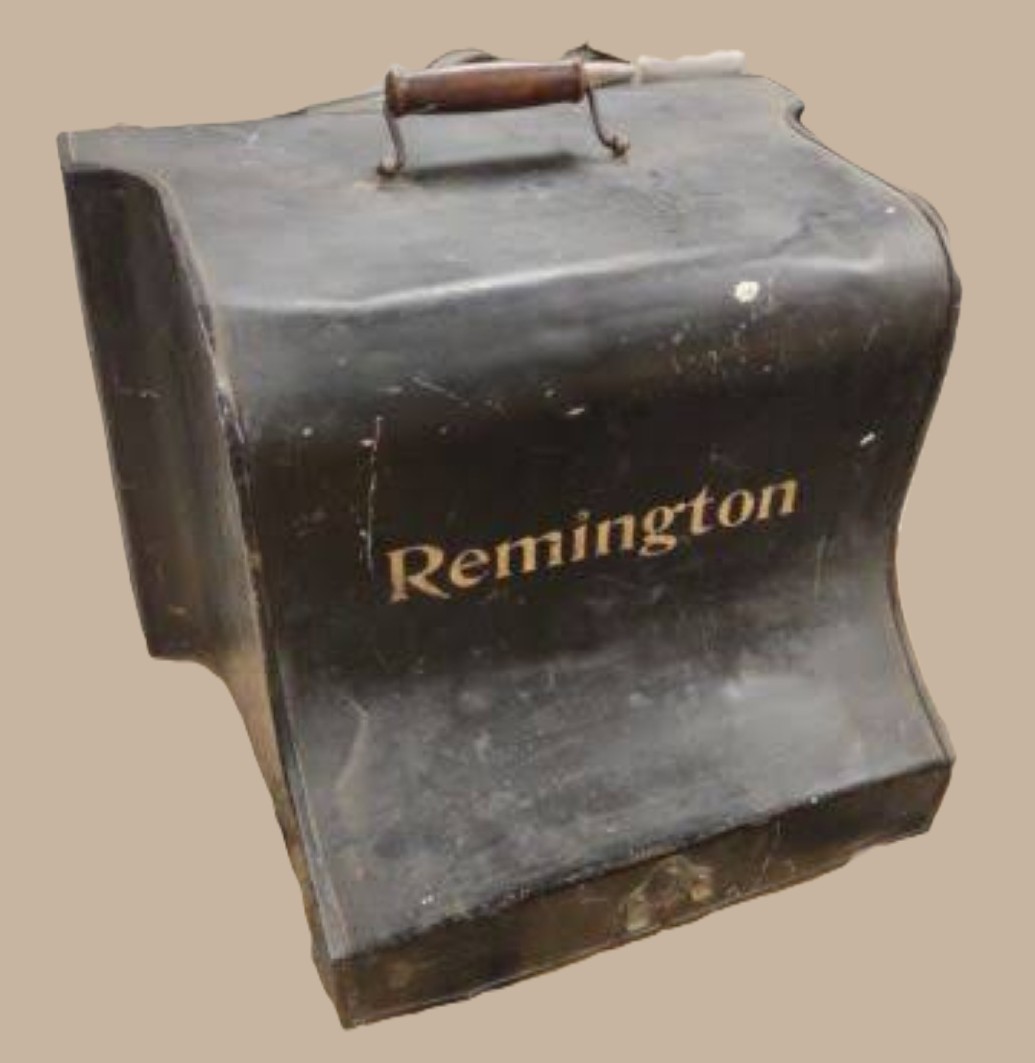
- Form & Function: Heavy cast-iron protective outer casings designed to house and protect a standard heavy glass ink bottle, mimicking the distinctive silhouette and decorative framing of the metal case for the Remington #10 typewriter.
Physical Construction & Materials
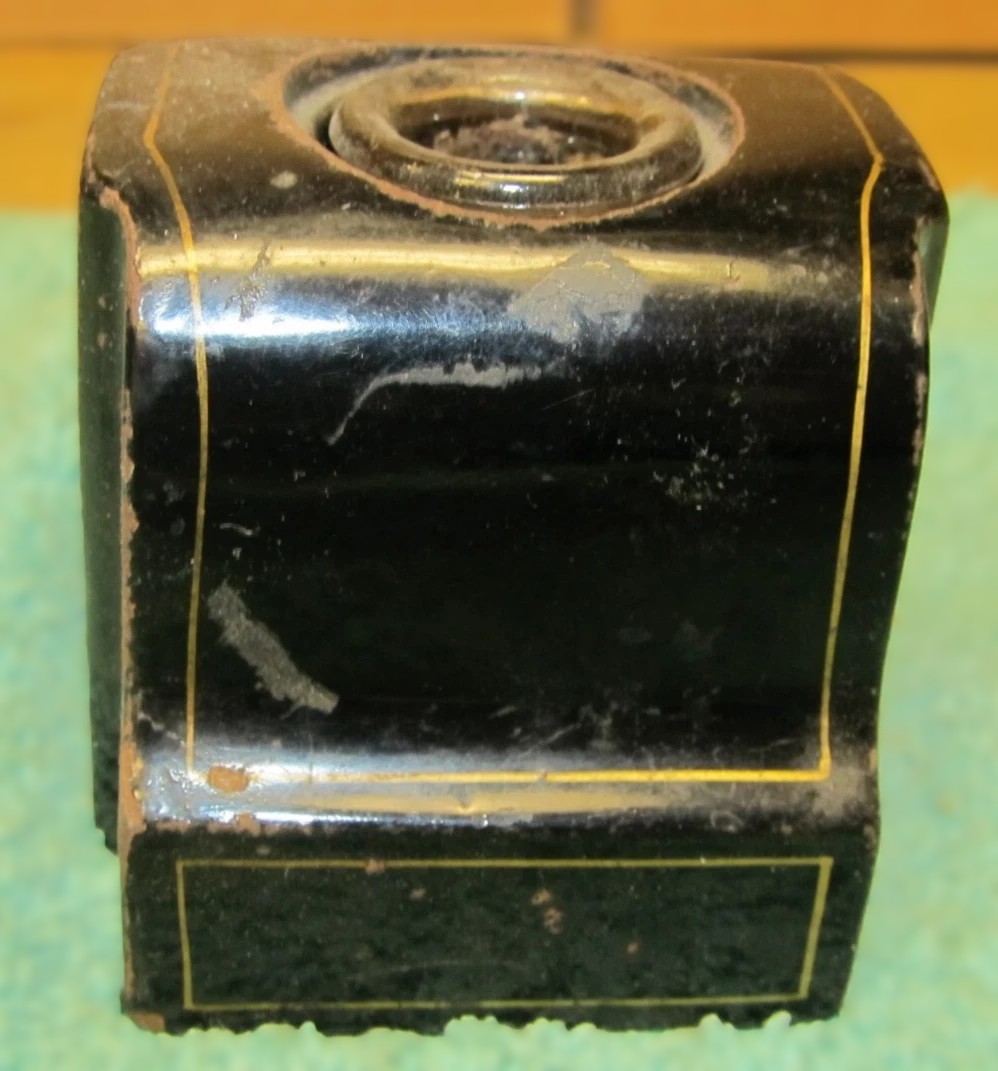
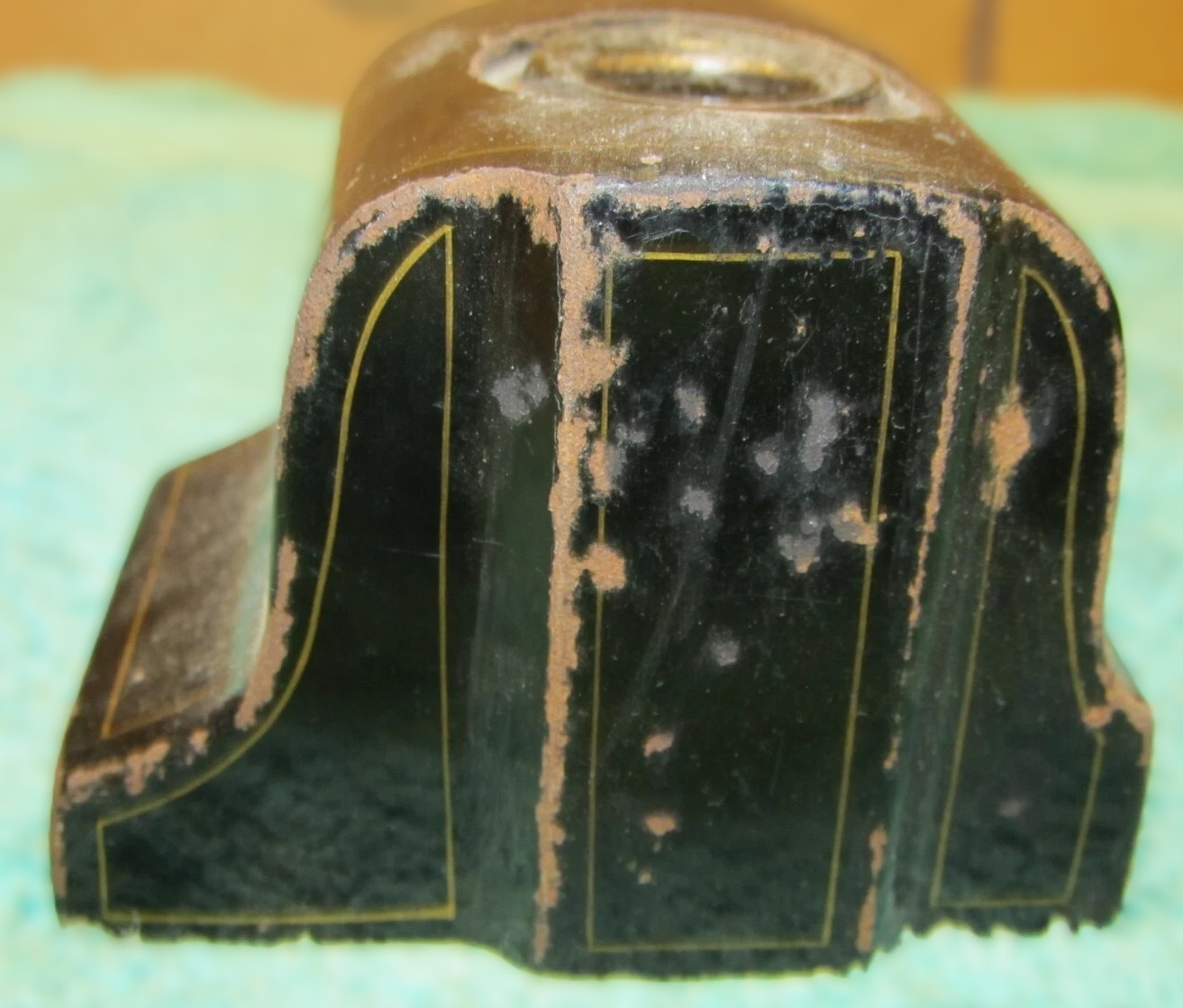
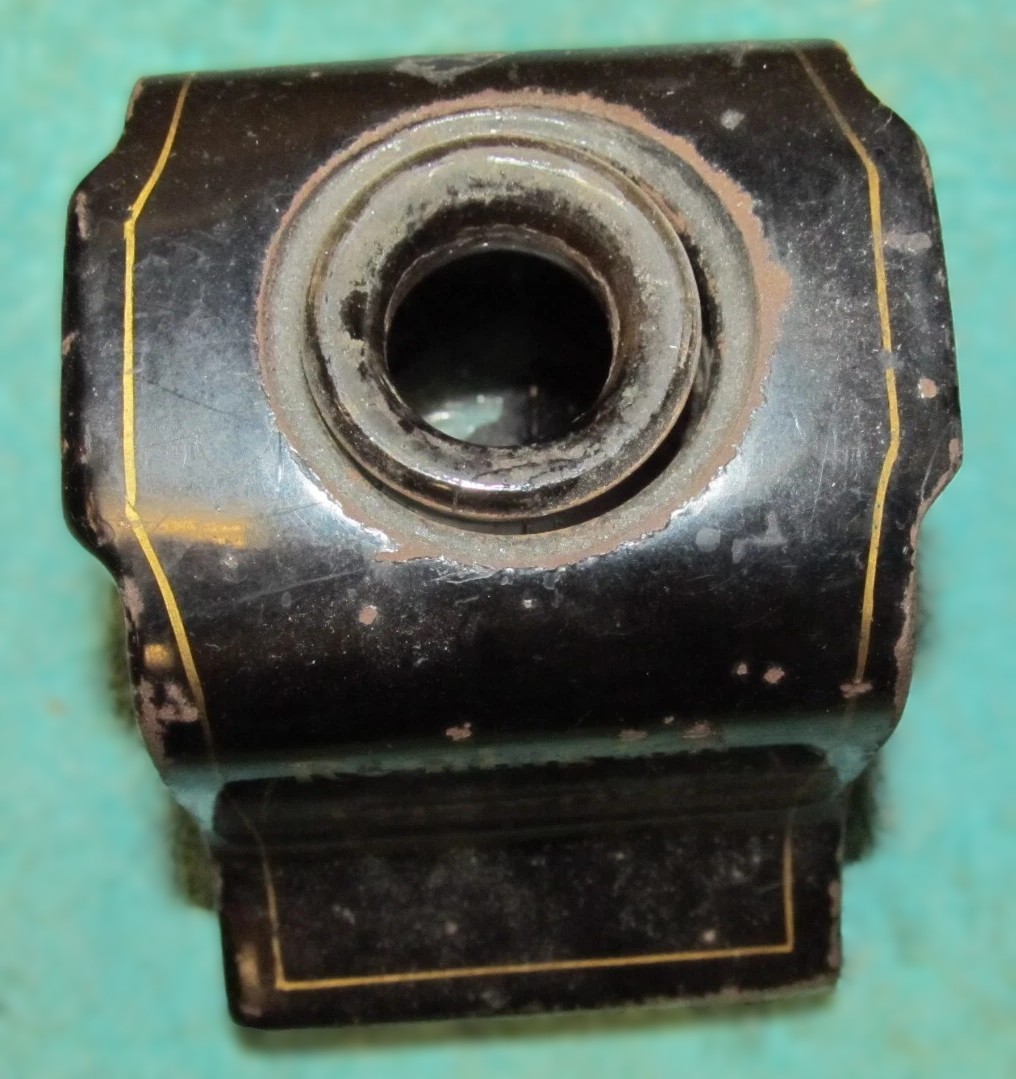
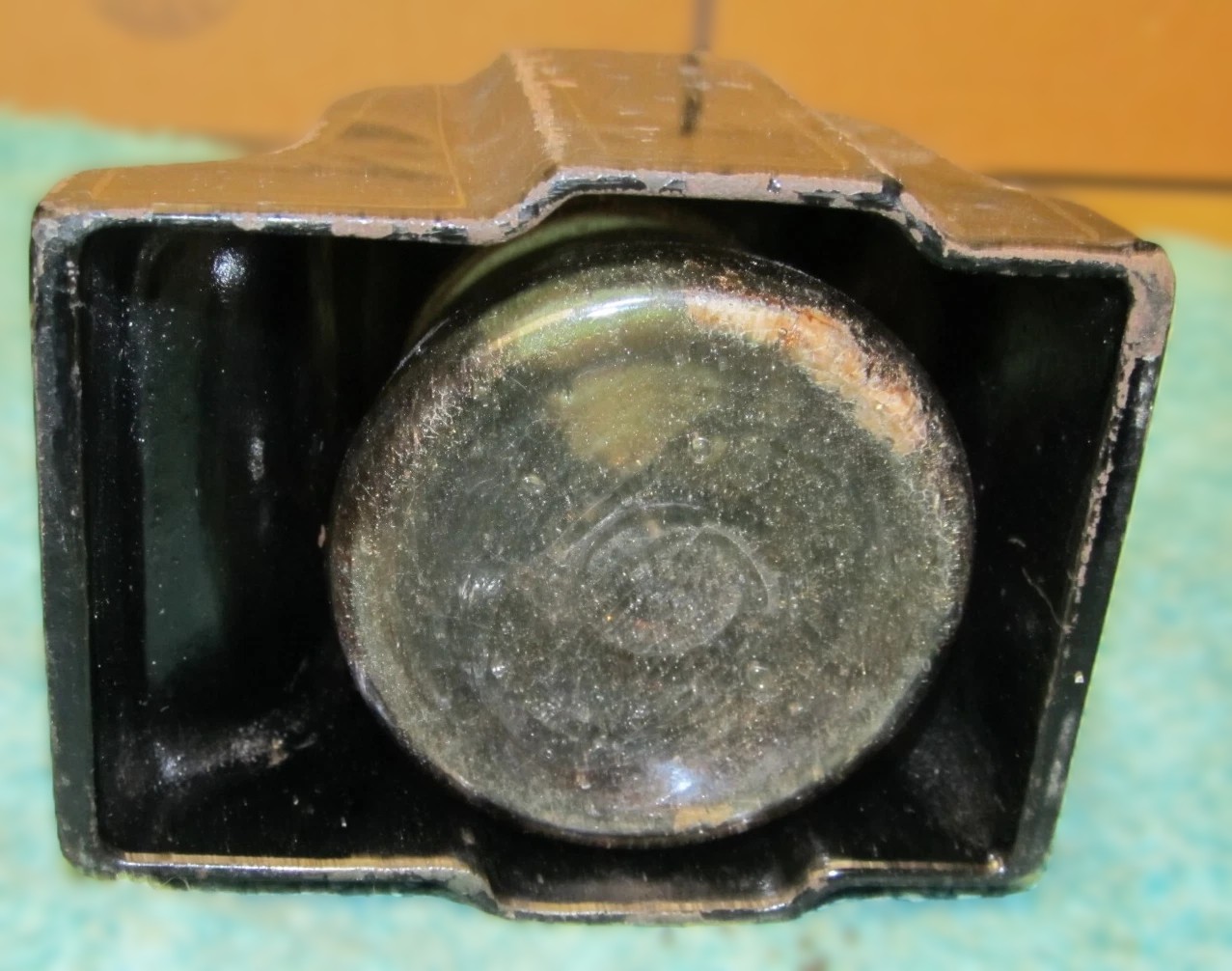
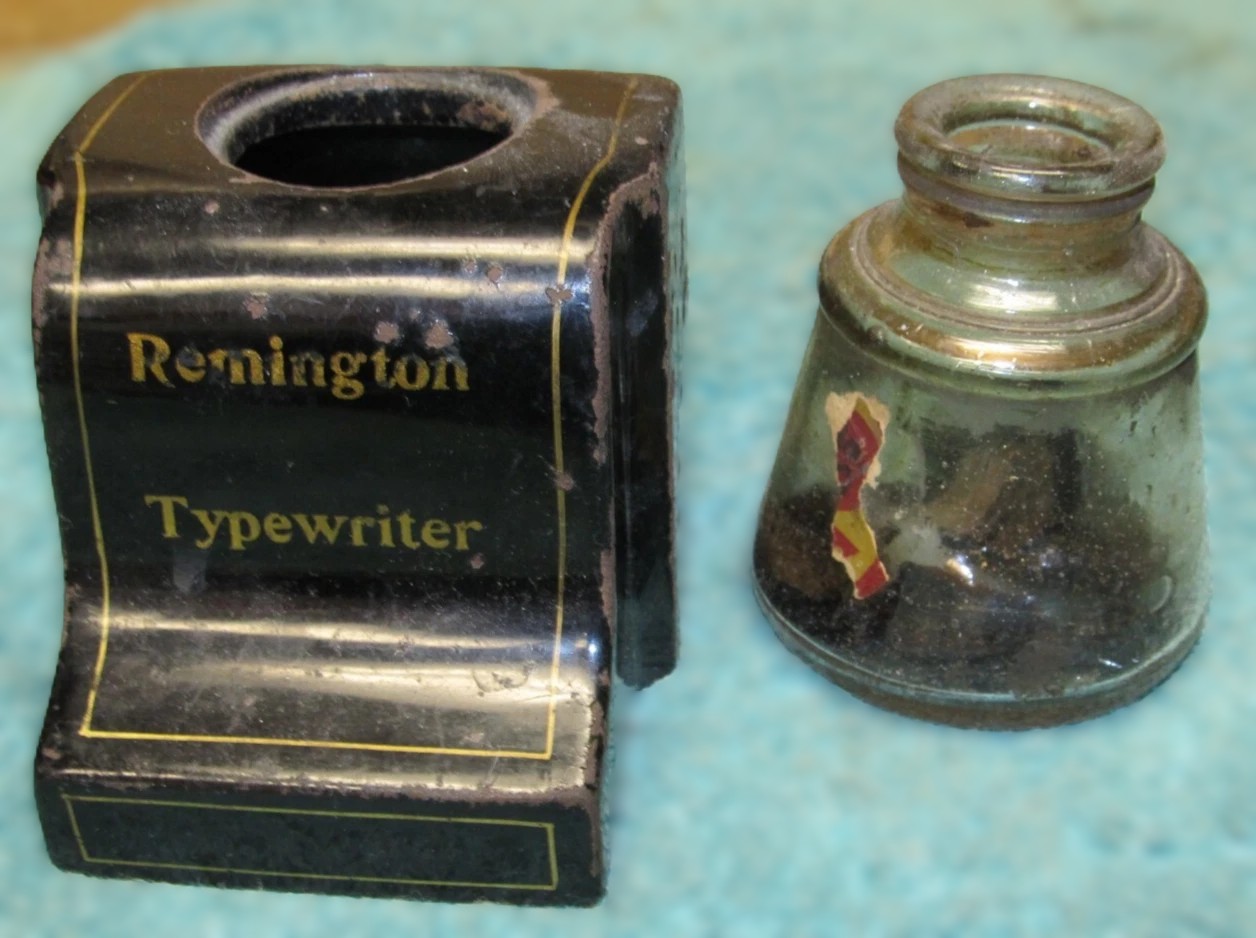
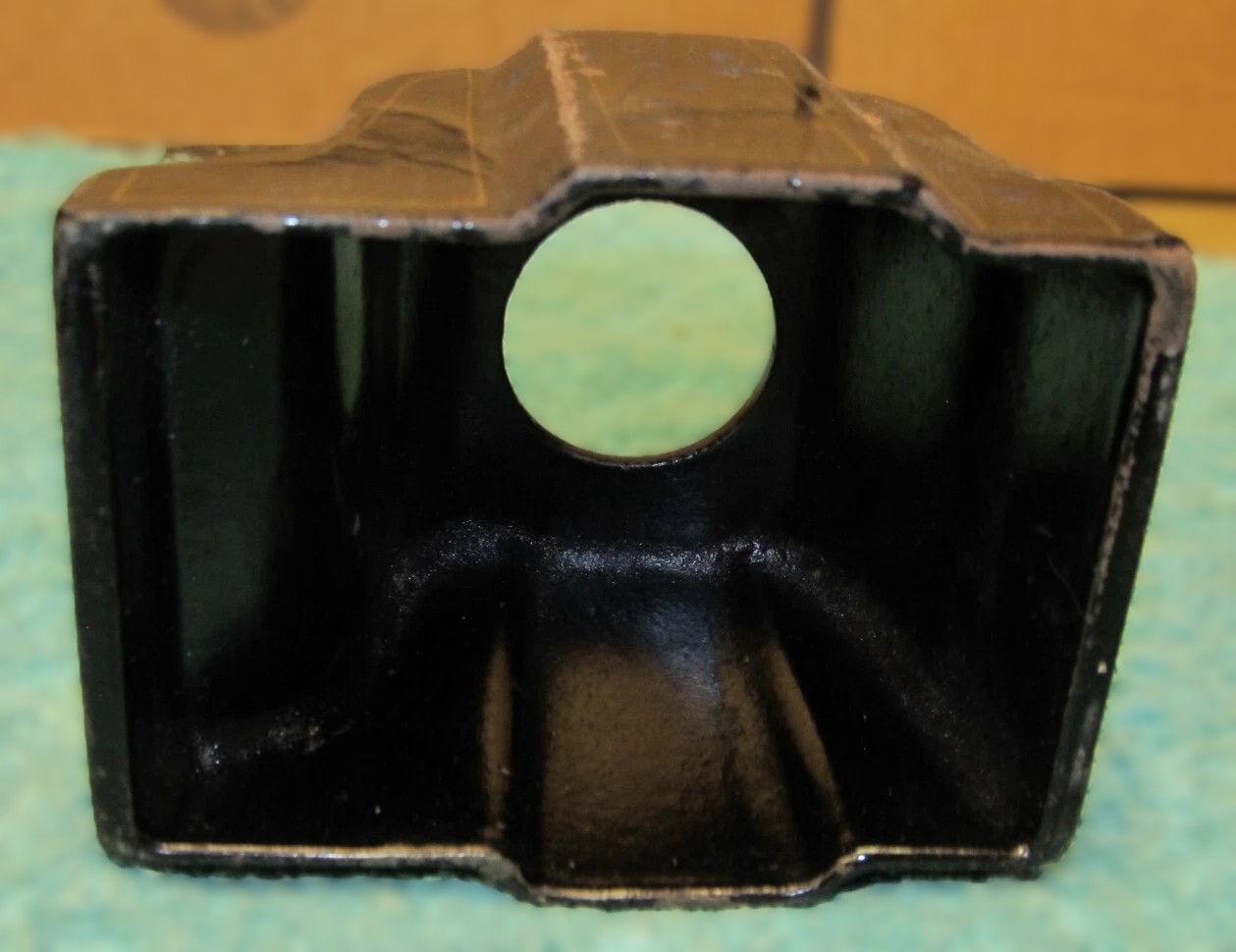
- Body & Base: Heavy hollow-cast iron with a glossy black japanned finish, measuring approximately 3 ¼” x 2 ⅜” x 2 ¾” high. The casing slips neatly over a tapered glass ink reservoir, leaving only the neck and collar of the glass insert exposed through a precise circular aperture on the top surface.
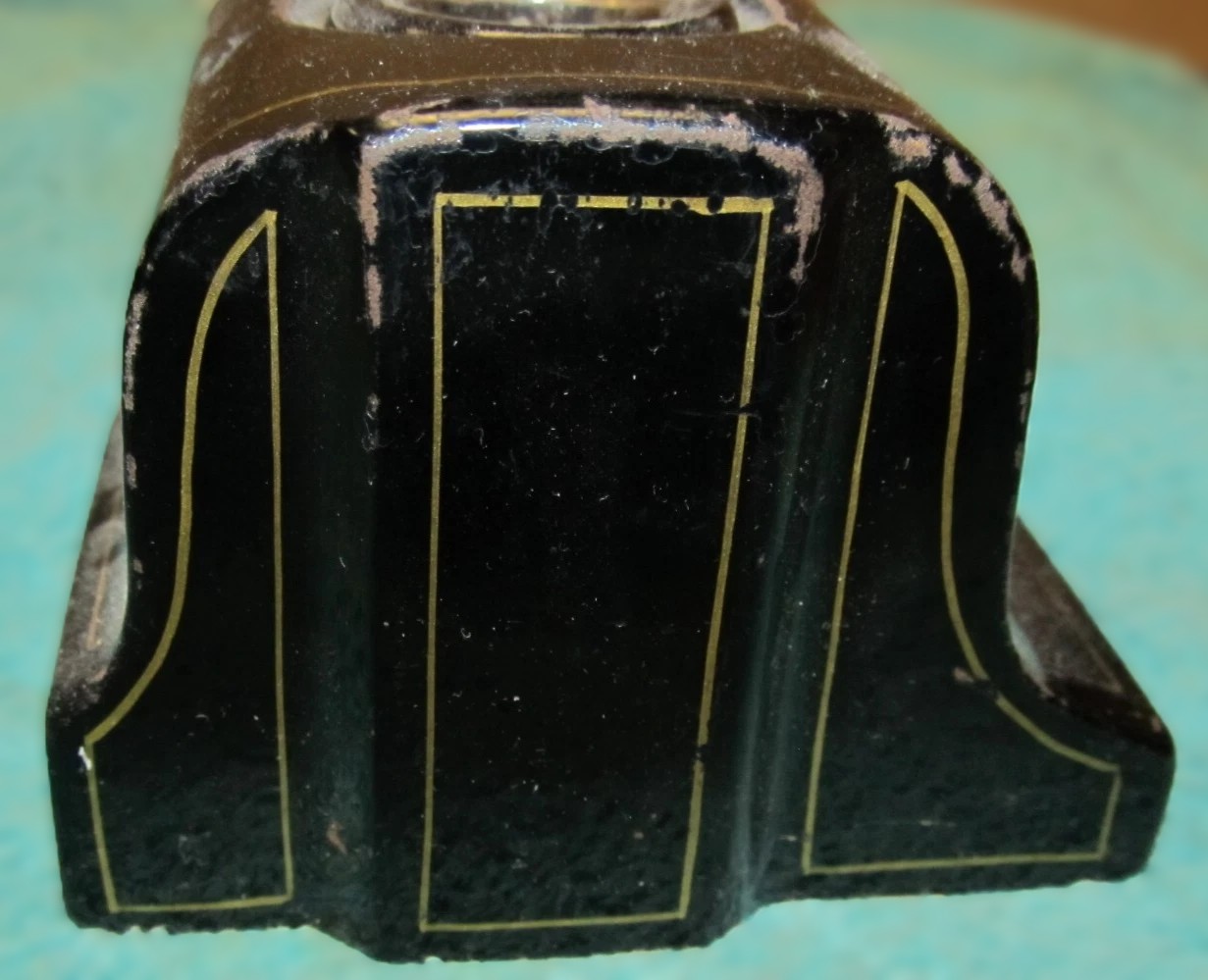
- Finishes & Accents: The pieces are finished with professional gold pinstripe borders mirroring the aesthetic of early 20th-century typewriter and sewing machine decals.
The Factory Decoration Hierarchy (Three Variants)
Historical evidence across surviving specimens indicates that Remington utilized standardized cast-iron blanks, offering at least three-tiered factory production styles utilizing a mix of lettering, lithographic water-slide decals, and hand-brushed enamel artistry:
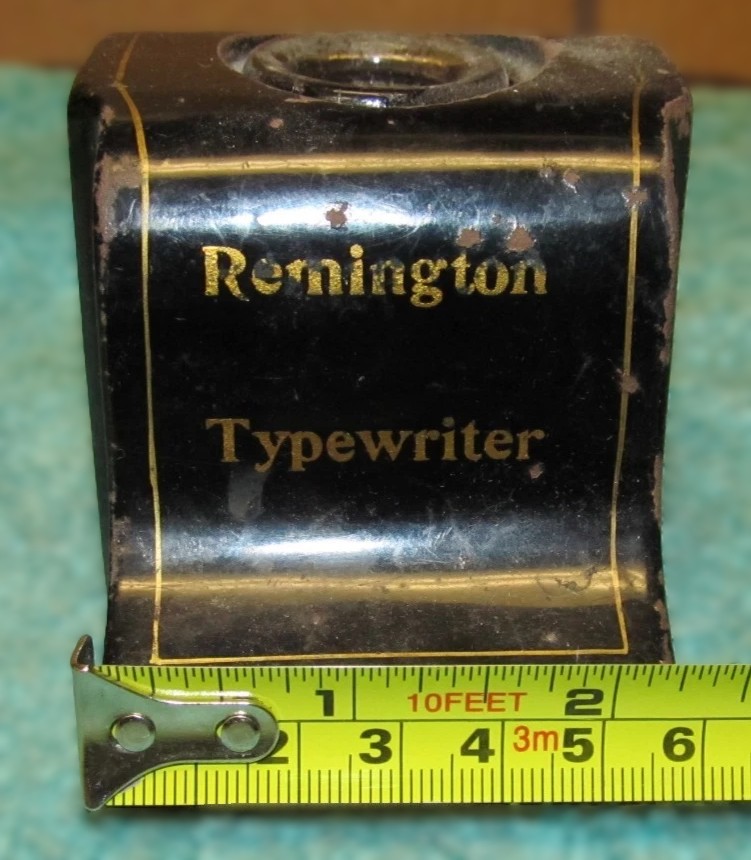
- Tier 1: Standard Branded Variant
- Visuals: Features crisp gold lettering reading “Remington” on the upper register and “Typewriter” centered below, framed entirely by classic gold pinstriping.
- Purpose: A clean, utilitarian desk accessory.
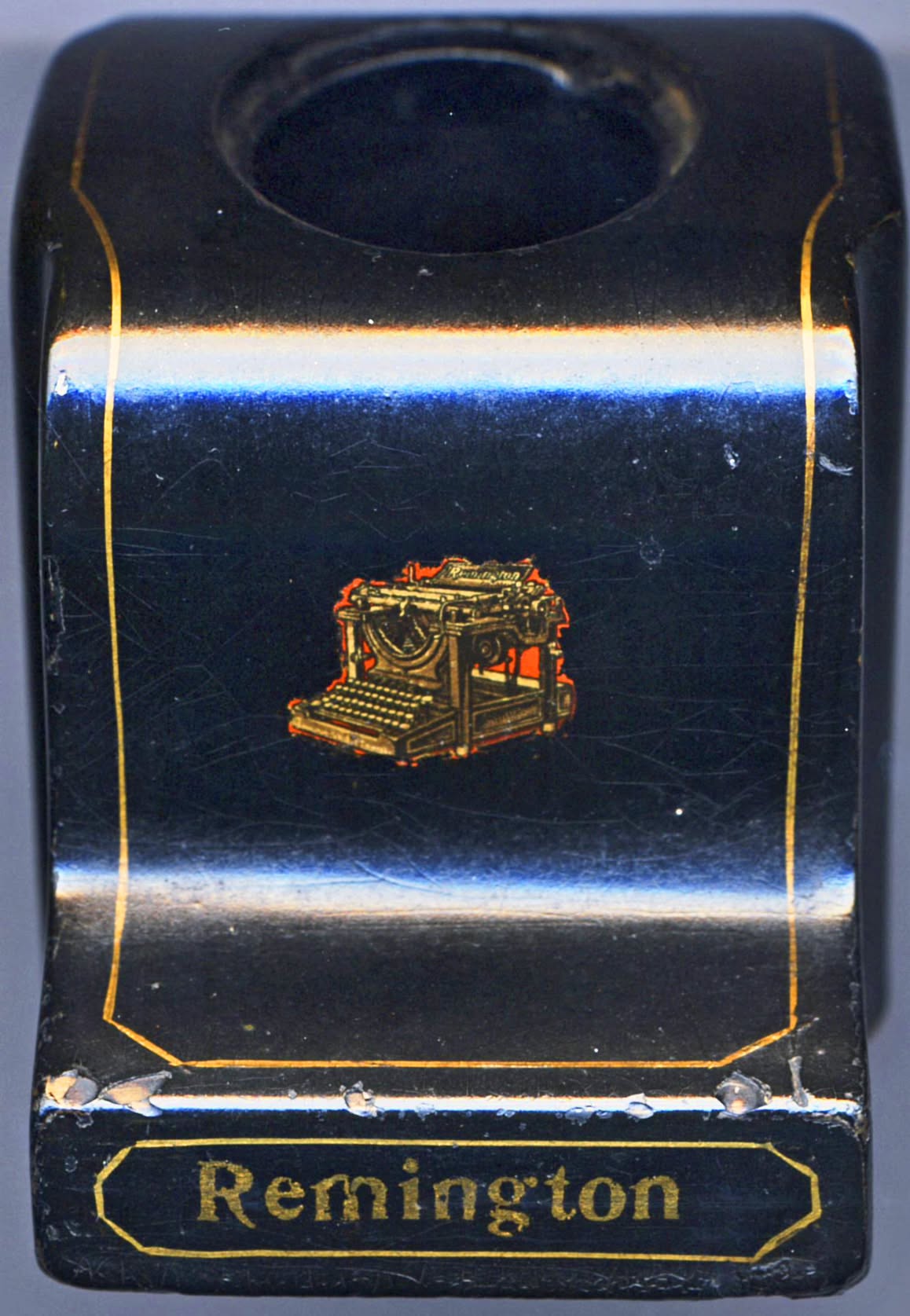
- Tier 2: The Decal Accent Variant
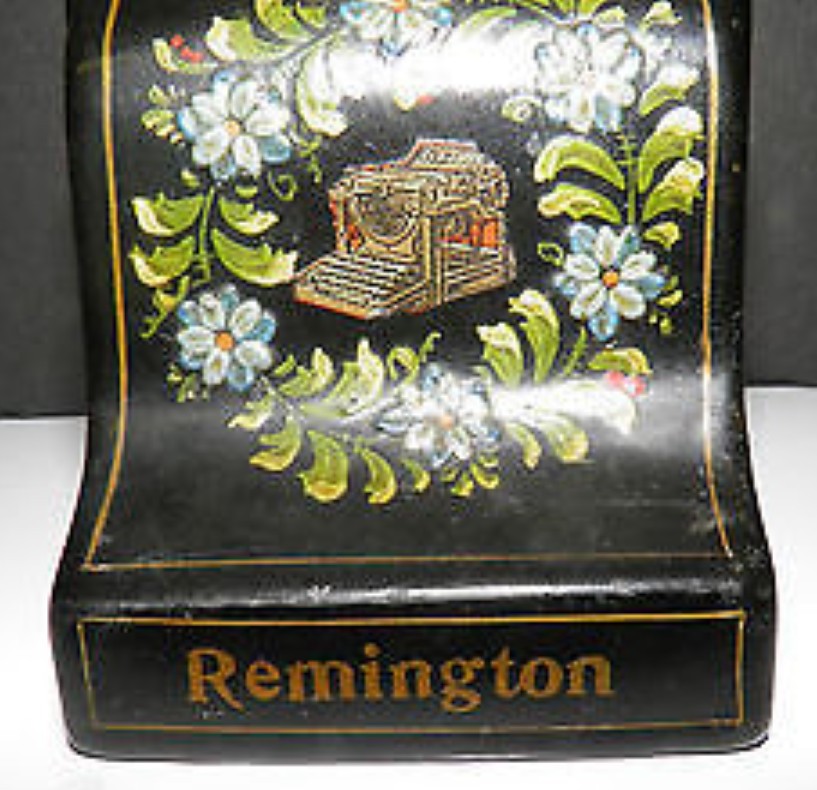
- Visuals: Incorporates the standard gold-bordered base and branding (“Remington”), but substitutes the upper text with a detailed, miniature lithographic color transfer decal of a Remington typewriter centered on the front facade (noticeable by its crisp graphic lines and characteristic red/orange backing edges).
- Purpose: A promotional showcase piece highlighting the physical machine itself.
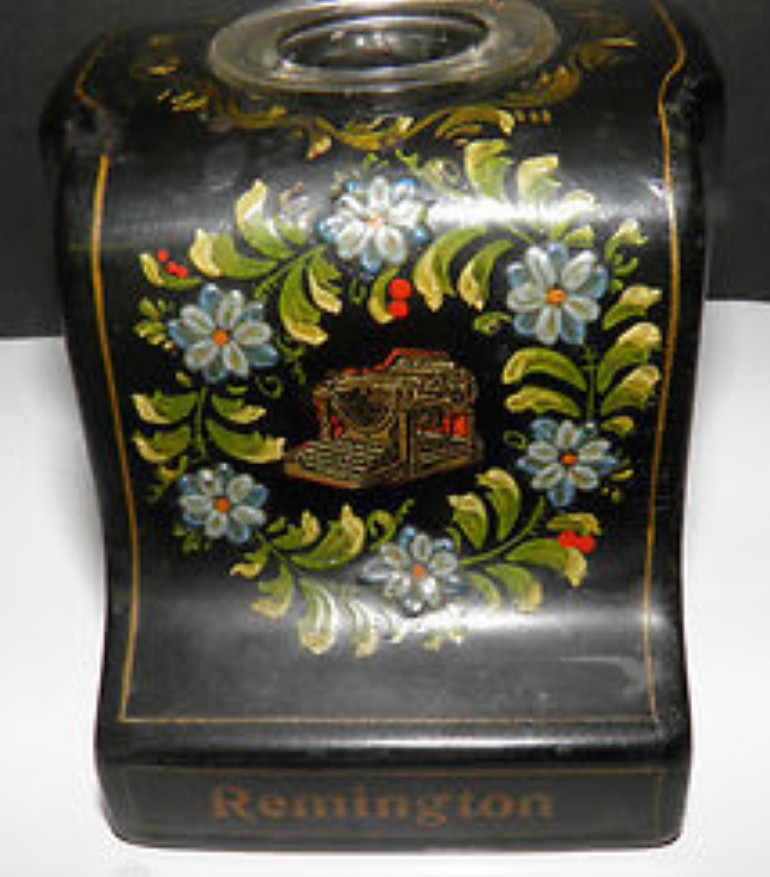
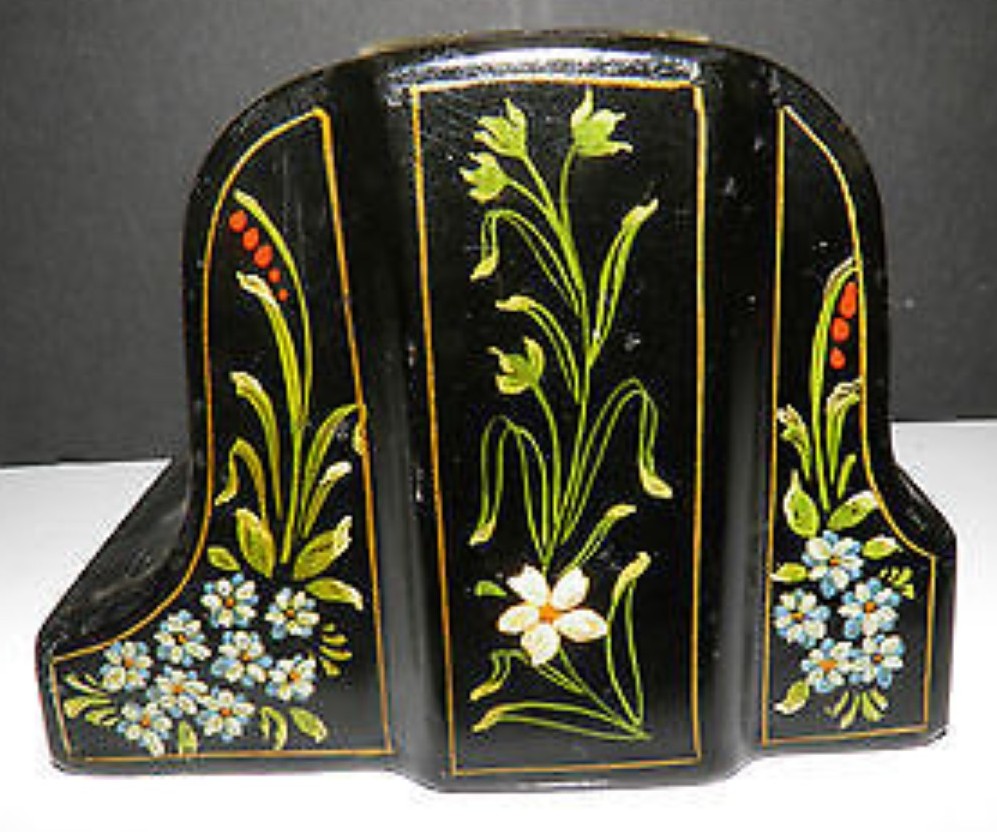
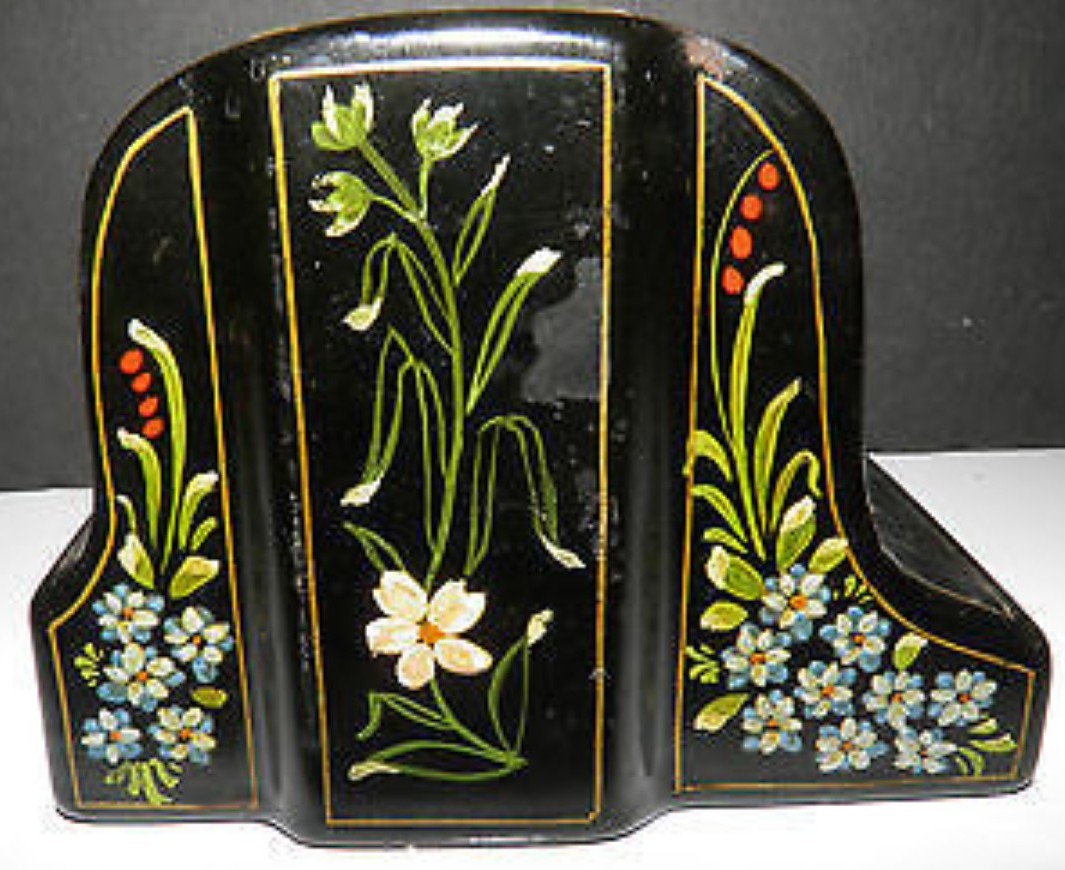
- Tier 3: The Deluxe Polychrome & Decal Variant
- Visuals: The most ornate factory iteration, featuring the central Remington typewriter decal nested inside a hand-brushed polychrome floral wreath and vine motif. The back panels and sides are embellished with delicate hand-painted floral stems and blossom clusters.
- Purpose: Catering to preferences for decorative, colorful desk accessories, utilizing skilled factory decorators to hand-accent the lithographic foundation.
Historical & Collector Significance
These inkwells represent an intersection of early office branding and utilitarian design. By mirroring the architectural lines and visual styling of their flagship typewriters, Remington turned everyday office supplies into enduring miniature promotional monuments.
The Chronology and Factory History of the Remington Inkwells
The production of these inkwells is closely tied to a specific turning point in the history of the Remington Typewriter Company at their historic factory in Ilion, New York.
- The Ilion Factory Origins (1873–1910s)
- The Gunmaker Diversification: The famous Ilion plant originally belonged to E. Remington & Sons, a premier firearm manufacturer founded in 1816. Following the post-Civil War drop in arms demand, the company sought to keep its manufacturing floors humming by diversifying. They acquired Christopher Latham Sholes’ typewriter patents in 1873, creating the world’s first commercially successful typewriter.
- Corporate Evolution: In 1886, amid a financial reorganization, the typewriter division was spun off into the Standard Typewriter Manufacturing Company (run by former Remington employees William Wyckoff, Harry Benedict, and Clarence Seamans). By 1902, the company officially reclaimed its corporate identity as the Remington Typewriter Company while maintaining mass production at the original Ilion, New York works.
- The Significance of the Remington No. 10 (Circa 1908–1910s)
- The “Visible Writer” Revolution: For decades, Remington’s most popular machines (like the No. 2 through the No. 6) were “upstrike” blind-writers, meaning the typist had to physically lift the carriage to see what they had typed. Competitors eventually forced a change, and in 1908, Remington launched its first major “frontstrike” (visible) typewriter: the iconic Remington Standard Model No. 10.
- Stylistic Inspiration: The No. 10 became an instant corporate powerhouse, widely adopted in offices worldwide throughout the 1910s. The cast-iron inkwells were designed explicitly during this era to mimic the sleek, flared architectural housing and polished japanned finish of the No. 10 machine’s case.
- Decorating Styles Evolution
- The 1910s Aesthetic Shift: Around 1910, office accessories transitioned from purely austere, utilitarian black-and-gold japanned hardware to more decorative executive suite options.
- The Decal and Hand-Painting Timeline: The use of crisp lithographic water-slide decals (seen in the typewriter-decal variants) reached its industrial peak in the 1910s. Transfer decals allowed factories to apply intricate, multi-colored machine graphics and floral wreaths quickly onto cast iron before sealing them with a protective clear coat and baking them.
The tiered styles—from the plain branded block text to the floral-wreath deluxe editions—reflect a factory catalog that offered offices varying grades of promotional desk ware right through the height of the Remington No. 10’s commercial dominance.
Plain version sold for $115 in September 2026
“Deluxe” version sold for $295 in October 2013
Content disclaimer. The information posted is the owner’s best knowledge and may not have been vetted by the SOIC. We welcome comments, corrections, and additions, working to make our website information comprehensive and accurate.
Join the Society of Inkwell Collectors (SOIC) – it’s free!
Founded in 1981 as a non-profit organization,
we are documenting inkwells (and accessories).
We’re here to help and inform!